Tag: nicola dove

  • How to stand out as a stills photographer: In conversation with Top Gun: Maverick unit publicist Michael Singer

    How to stand out as a stills photographer: In conversation with Top Gun: Maverick unit publicist Michael Singer

    Still soirees are monthly online meet-ups, where stills photographer Nicola Dove has conversations with industry guests such as other successful stills photographers, publicists, producers and directors. Here is a taste of the July 2023 Soiree with Michael Singer.


    Michael Singer is one of the industry’s top unit publicists with an impressive list of credits like Top Gun: Maverick, Pirates of the Caribbean, Jerry Maguire, The Fast and The Furious, Tim Burton’s Batman films, The Bourne Identity, Confessions of a Shopaholic and many (many) more. Recipient of the 2014 Les Mason Lifetime Achievement Award from the Publicists of the International Cinematographers Guild, Michael has also published a dozen books about film, as well as 14 annual editions of the reference book Michael Singer’s Film Directors: A Complete Guide.

    Michael speaks about the role of a unit publicist and how it’s been changing over the recent years, the relationship between publicity and unit stills, his favourite on-set experiences (some of which were ‘life-altering) and the qualities of a great stills photographer on set.

    It all started with a fan letter

    After five decades in the film and television industry, Michael’s enthusiasm for cinema has never dimmed. And although he’s worked with Hollywood A-listers and legendary directors, his incredibly humble nature brings a smile to your face. “I genuinely love the people who work on set. What they do amazes me. Their skills, their talents. I’m honoured to be in the same place as they are. I still can’t believe, after 62 projects in 50 years, that I’m actually sharing a set with these people.”

    “Everybody loves movies. I took it to an unreasonable degree.”

    Michael tells us about how the seeds of his career were planted back when he was still a teenager, living in the Borough of Queens, New York. In 1968, when the widely divisive 2001: A Space Odyssey first started playing in theatres, 15-year-old MichaelI was completely enamoured by the film and came back to see it over and over again. “Everybody loves movies. I took it to an unreasonable degree,” he chuckles.
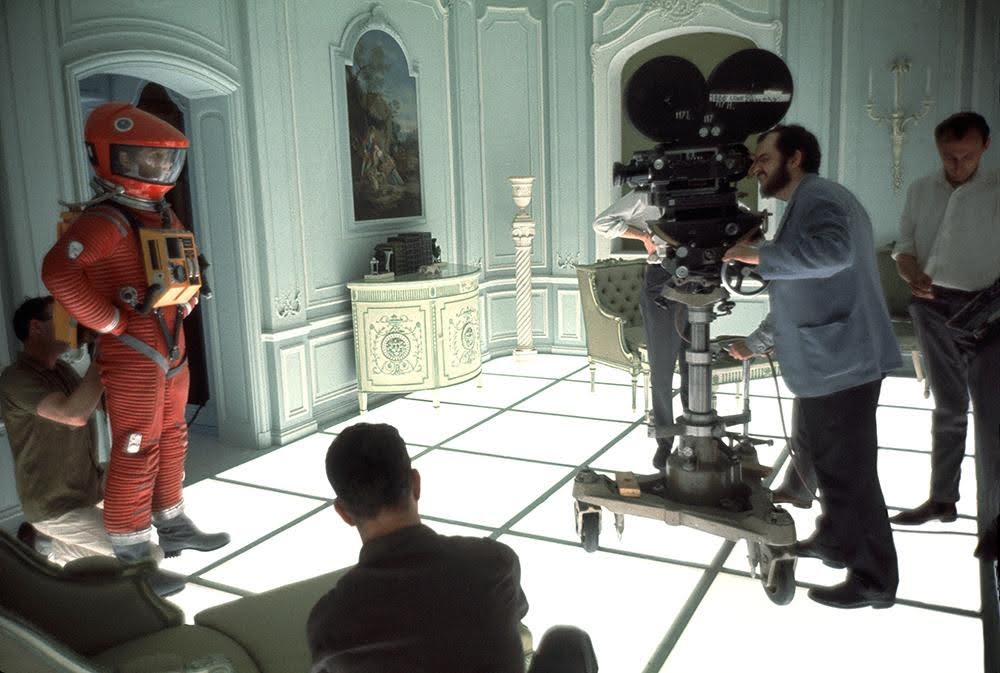
    Behind the scenes image from a 2001: A Space Odyssey. Stanley Kubrick (right) filming a scene with Keir Dullea (left) at MGM-British Studios in Hertfordshire. (credit: Keith Hamshere)

    Eventually this led him to writing a fan letter to director Stanley Kubrick. As Michael affectionately calls it, “a dumb letter written by a dumb 15-year-old”. Nevertheless, his letter got a response from Kubrick’s assistant. Although not from Kubrick himself, this was more than enough for Michael. 

    Fast forward a few weeks, and to Michael’s surprise, an excerpt of his letter was published in Variety in a side column about the film’s newfound young fans. Michael called up the author of the article (this was back in the phonebook era), who introduced him to the publicity director of 2001: A Space Odyssey over at Metro-Goldwyn-Mayer.

    The rest is history. 

    The role of the unit publicist 

    Michael explains what the unit publicist role entails as he admits with a laugh, “Even people who have worked on set for 40 years don’t know what a unit publicist does.”

    “Fundamentally, a unit publicist is the production’s publicist while the film or TV show is actually being made. First of all, you’re the intermediary between the studio or network publicity departments and the filmmakers. You’re responsible for arranging interviews for journalists and publications, and you’re certainly the guide and contact for journalists while they’re on set, arranging interviews with whomever they want to speak to.”
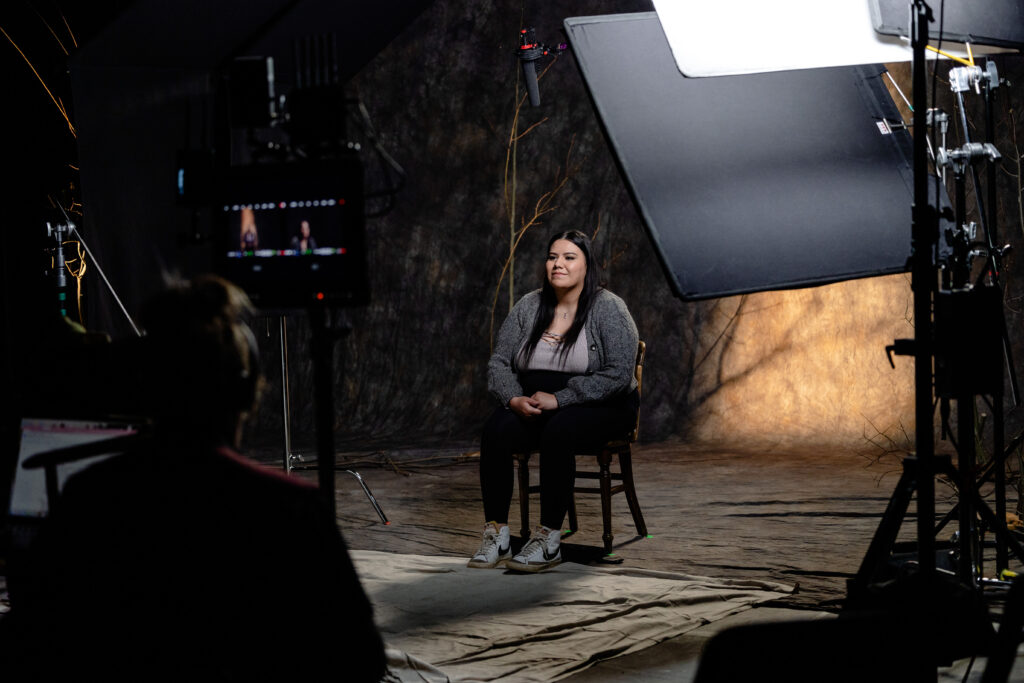
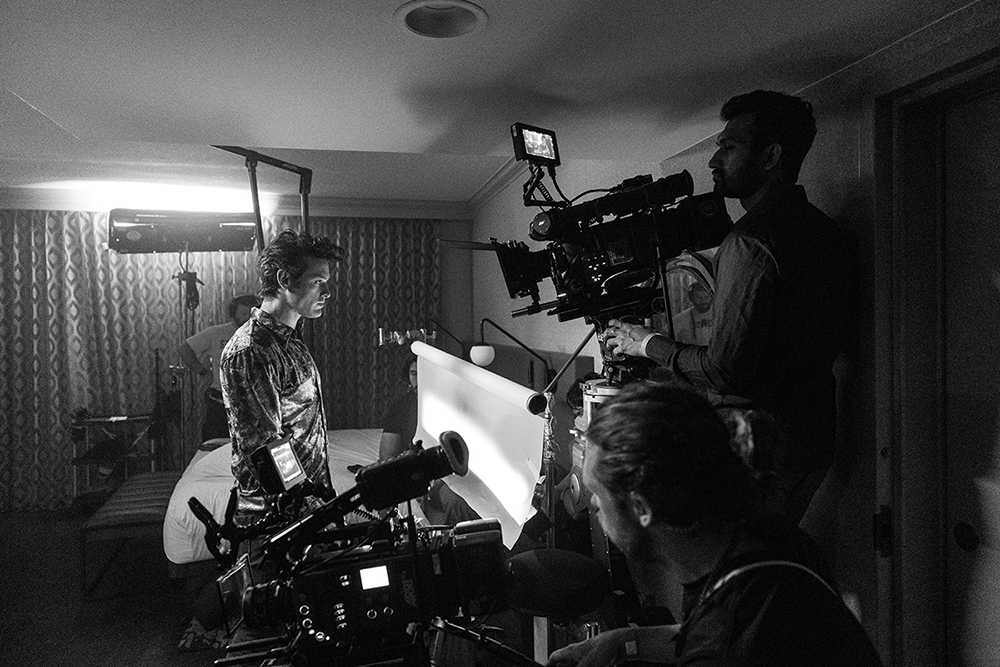
    Behind the scenes image from Winds of Canada (credit: Kristin Breitkreutz)

    As Nicola points out it’s likely stills photographers who are in the early stages of their careers will be working with a unit publicist at first. “You won’t be involved with unit publicists until you get into a level of TV series or mid-level indie films. And then certainly on the streamers’ [productions] you’ll be working very closely with unit publicists.”

    What makes a great stills photographer

    The big question – how is a ‘good’ photographer different from a ‘great’ one? After almost 5 decades on set, Michael has worked with this fair share of stills photographers, and narrows down his top qualities that great stills photographers have:

    • The ability to be ‘invisible’ on set
    • The ability to form relationships quickly
    • Thinking like a unit publicist when creating their images on set

    “The best thing is to be visible when you need to be visible, and invisible the rest of the time.”
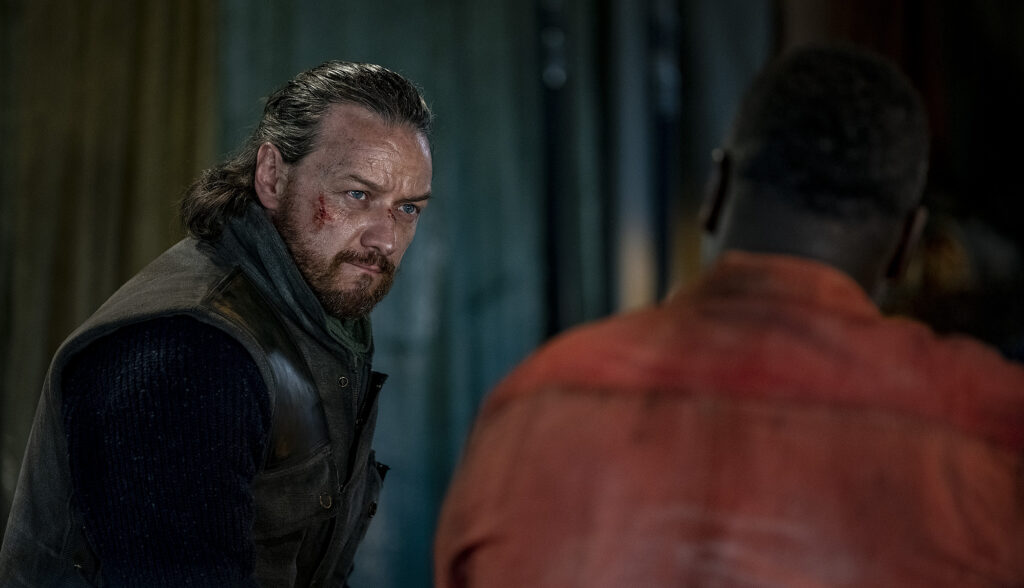
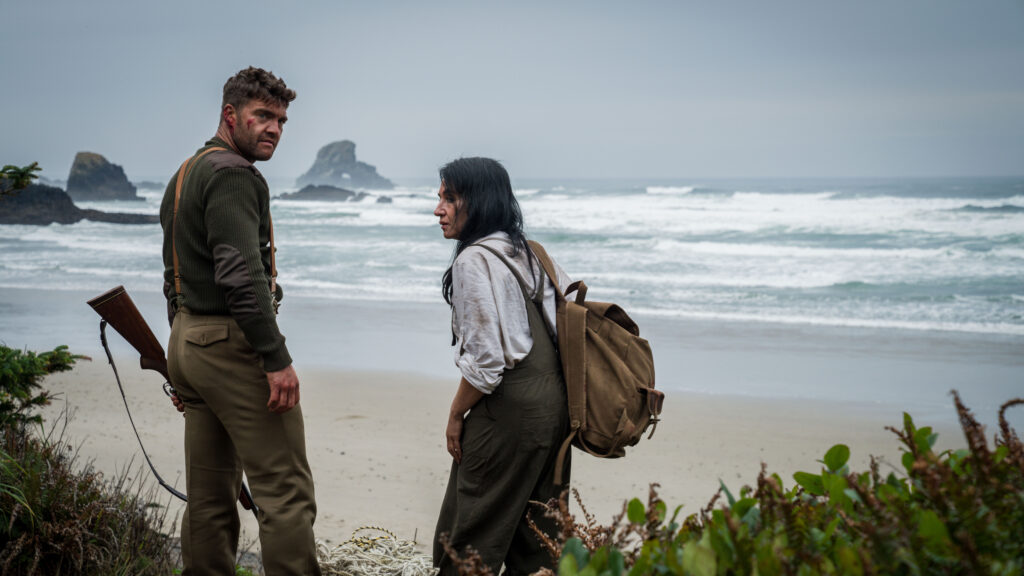
    Unit still from His Dark Materials S3 (credit: Patrick Baldwin)
    Unit still from The Most Dangerous Game (credit: Jason Tozier)

    “When I see an image which somehow not only captures the look of the film or the TV show, but also the soul of it… There is a point where it becomes art. And when I see an image, which is a work of art, clearly a work of art that could stand on its own, aside from the scene or the moment that it’s capturing, those are my favourite stills to look at.”
    time.”
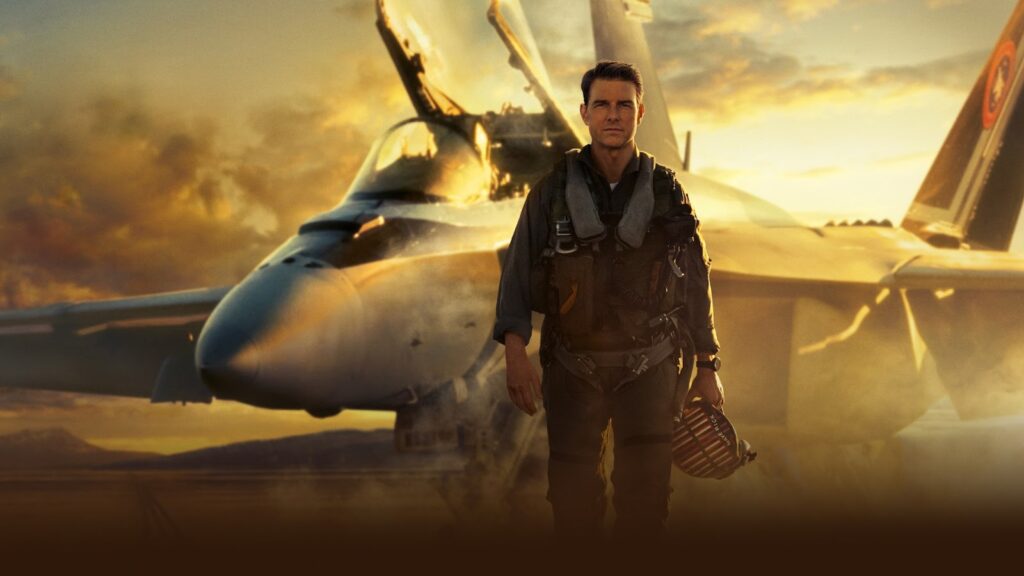
    Key art from Top Gun: Maverick (credit: Scott Garfield)
    Top Gun: Maverick character poster (credit: Scott Garfield)

    Bonus: Who hires stills photographers

    The reality is, in 99% of the cases, the unit publicist is not responsible for hiring a photographer. More often than not, unit photographers are hired by the picture editors, the producers or directors they’ve created relationships with. 

    “I receive a lot of inquiries from a lot of unit photographers who are either starting out, or trying to kick their careers into a higher gear. And I always feel terrible because I’m not in a hiring position and rarely is there a situation where I can even recommend a unit photographer,” Michael admits. “The bottom line is that while it’s great to make contact with all kinds of people who work in film, including people like me, we’re not the ones who do the hiring.”

    Watch the Soiree replay

    You can watch the full soiree replay with Michael to learn about what makes a stills photographer stand out to a unit publicist, as well as the ins-and-outs of a film publicity office.

    Are you a stills photographer? Create a profile on the specialist Unit Stills Directory, an industry-recognised community of accredited stills photographers from all around the globe. Founded by Nicola Dove, the directory aims to bring photographers and industry leaders together, providing a platform for both new and established talent.
  • Advice from BAFTA winner Kevin Loader: Publicity Mistakes to Avoid as a Producer

    Advice from BAFTA winner Kevin Loader: Publicity Mistakes to Avoid as a Producer

    BAFTA-winning British producer and director Kevin Loader sat down over a virtual coffee with Nicola during the monthly Stills Soiree as part of the Unit Stills Directory. 

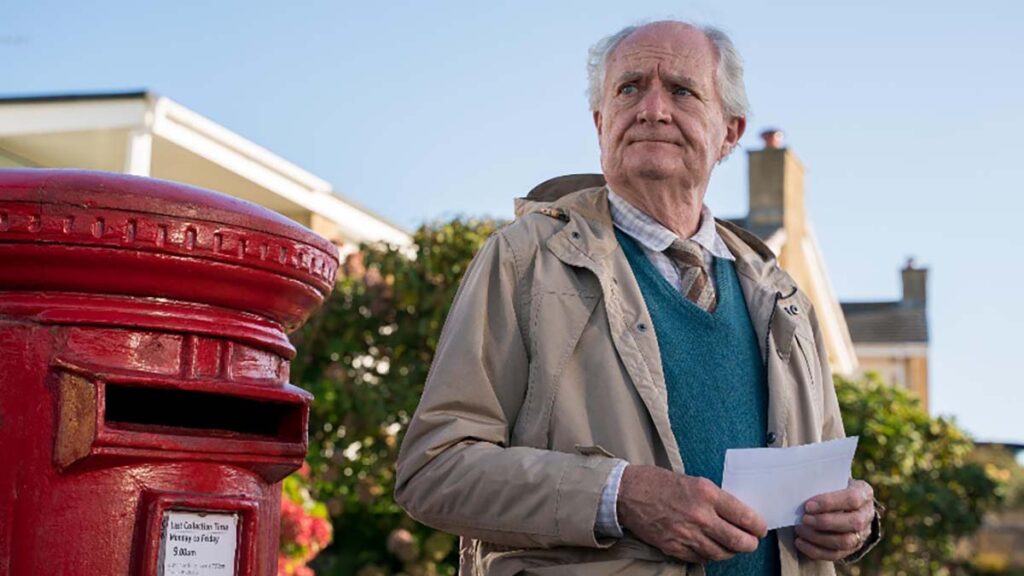
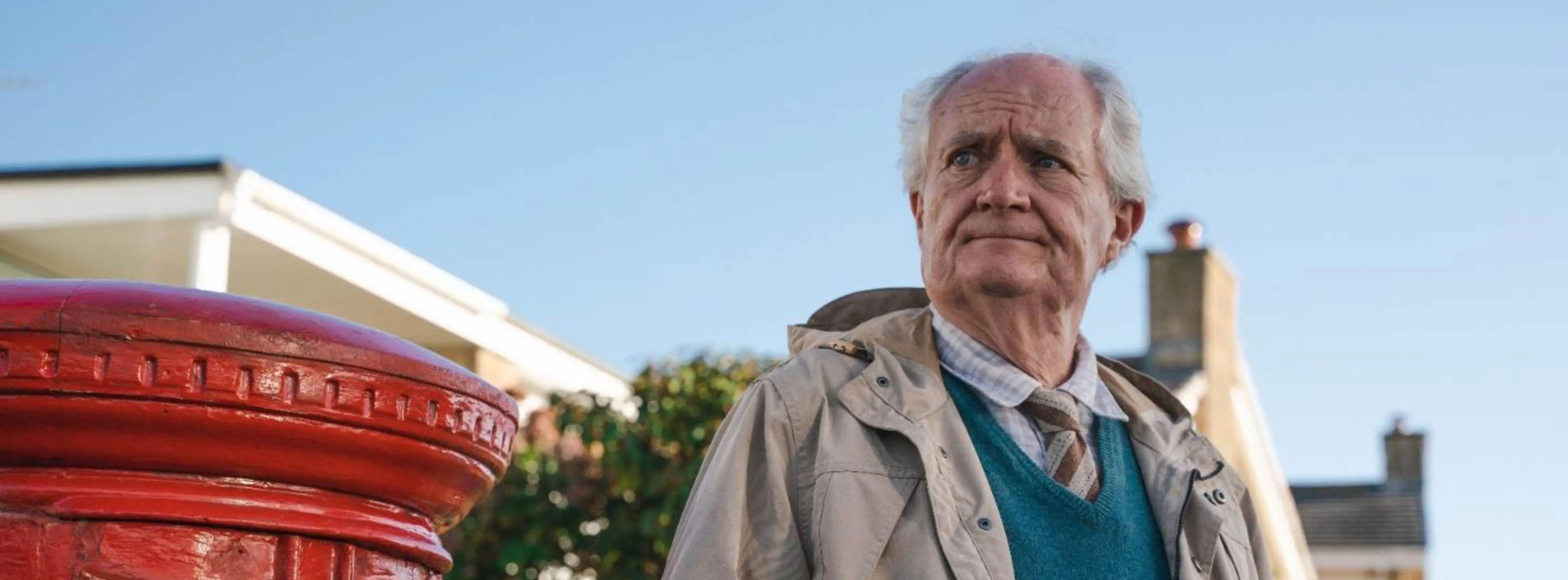
    Kevin is one of the UK’s most experienced producers. His long list of credits include Death of Stalin, Elizabeth, Nowhere Boy, The Lady In The Van and The Unlikely Pilgrimage of Harold Fry (and photographed by the directory member David Gennard).

    Kevin spoke about publicity mistakes producers tend to make in relation to unit stills that can jeopardise the success of a film, and what to do to avoid that. He also shared valuable insight on the ‘first look’ still and why it’s so vital for a film’s journey.

    Make or break your film: the ‘First Look’ Still

    After all those years of writing, development and pre-production a film’s first impression boils down to, as its name suggests, the first look still. But what are the elements that make up a first look still and why is it so crucial?

    Kevin deconstructs this key question, “the so-called ‘first look’ is really just the first still that is released … And once that is out there, that image tends to be the image that is representing the film for quite a long time, ironically.”

    “Any film is sold on its visuals to a large extent.”

    Still from Loulou (credit: Federico Imperiale)

    Announcing your film to the world

    If you trace through the timeline of a film’s marketing campaign, it’s very common for the first look to be released as a way of announcing to the world that your film is shooting. So it’s often a still that’s been shot in the first few weeks of the film, meaning it doesn’t necessarily represent the whole film, but it is a key moment. “You may have had a ‘Day One’ [of filming] press release come out, but that will just be a dry press release full of people saying platitudes in quotation marks,” says Kevin. Most of the time, the first look becomes the thing that represents the film for the early part of its life. So they’re quite hard to pick, and often much debated amongst the stakeholders, the producers and the director.

    The ‘business card’ of a film

    “There comes a moment when Screen International or Deadline or Variety will all fight to have the first look, as it is incredibly crucial in the journey of a film. That first look still has to capture the flavour of the film, show the look of the leading actor or actors and give a clue to the aesthetic of the film, without necessarily telling the story of the film. But it must relate to the story of the film in a way in which everyone can understand. 

    Key film publicity mistakes to avoid as a producer
    Still from The Devil’s Hour (credit: Matt Towers)

    Key publicity mistakes producers can make:

    #1 Not hiring a unit stills photographer at all

    Whether the film is a low-budget indie, or a Hollywood blockbuster, stills are an essential part of its journey. “Producers who are starting out often don’t appreciate what having a great set of images will give them in the bigger picture,” says Nicola. 

    Without a stills photographer, not only will the film have very little material to market with, which is a big problem in the short term, there is also no record of the film being made, something that is important down the line, especially if your film goes on to do well! 

    Producers that think simply using screen grabs make a good a substitute for high quality stills from a photographer on set, are making a grave error. There are many reasons why, both technical and creative. 

    #2 Not facilitating good access for the photographer

    To create the best possible images, a stills photographer needs to have access. A great producer will introduce a photographer to the key cast and crew upon arrival, so they get off to a good start, and then back them up if they are having trouble getting access to scenes or actors.

    Make sure the photographer has access to the script, the call sheets, the sides, and any actor read throughs, so that they can understand the story, the characters and therefore be aware for the best storytelling moments on set. 

    When there are reluctant actors in regards to stills, it’s helpful if the producer is able to support the photographer. “Some actors get it and a lot of actors don’t get it. And often it’s the producer’s job to try and cajole and sweet talk those actors into making it a priority when they don’t want to,” says Kevin. “Sometimes the more ‘serious’ method-y actors don’t want to do it. It’s a negotiation.”

    Key film publicity mistakes to avoid as a producer
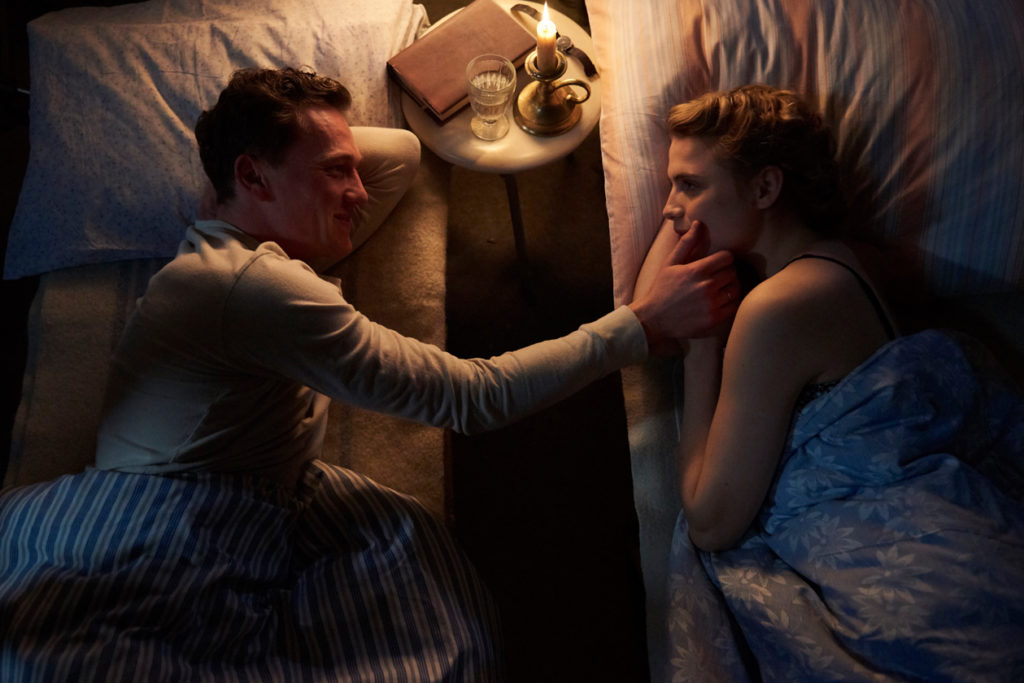
    Still from The Unlikely Pilgrimage of Harold Fry (credit: David Gennard)

    #3 Not prioritising connecting your film to the world

    A great cast and crew know the importance of the role of unit stills on set. However, when that isn’t always the case, it can be a barrier for photographers to get their job done. By default, a stills photographer is in the way of the cast and crew doing their jobs, and some may see it as wasting the already limited precious seconds of time.

    “Without that thing that connects the film to the world you might as well all go home.”

    “Nobody really wants to prioritise the needs of the machine which is trying to connect this film to the world. They’re in their moment, they’re just making the film and that seems to be the only thing that’s important. And it’s not true. Without that thing that connects the film to the world you might as well all go home. So a lot of producers don’t understand that you have to do that.”

    #4 Avoiding discussing stills in advance with all stakeholders

    Kevin explains how a large part of what producers have to do on set is anticipate those high-stress moments and liaise with the publicity, the marketing and the distribution machine early enough that you all know what you’re trying to get out of this shoot. “If everybody talks about it in advance, then you know what you need. And you absolutely have to go into the shoot with all your stakeholders knowing what you need,” he says. “Whether it’s a first look still, a specials shoot, or everybody going through the script and going ‘we really need that shot of X and Y when this happens. We definitely need that scene covered by the stills photographer.’”

    Key film publicity mistakes to avoid as a producer
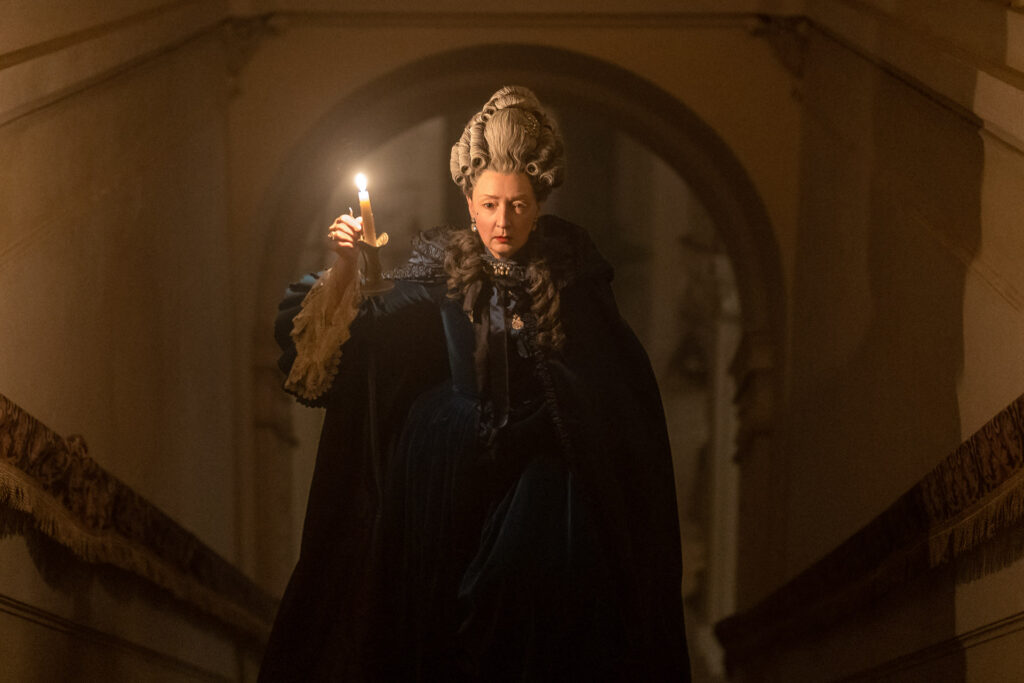
    Still from Dangerous Liaisons (credit: Martin Mlaka)
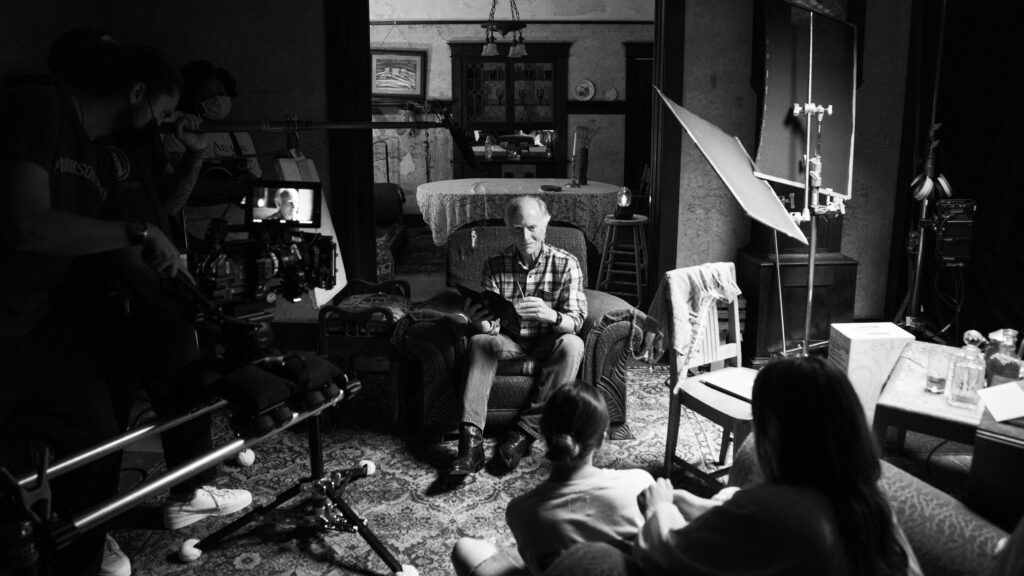
    Behind the scenes image from Seraphim (credit: Ben Wilson)

    #5 Not thinking out of the box

    It’s not uncommon to see ‘no unauthorised video or photography on set’ signs plastered around studios, particularly when it comes to high-budget or highly-anticipated productions. “The biggest challenge, mostly with social media, is stopping leaks from the set,” says Kevin. “But you have to think the other way as well. Actually, what we’ve done on the last few films is to encourage everyone to take pictures of the crew on their phones and upload them to a particular site … So then when we get to the end of filming, we’ve got many different perspectives of the shoot, not just the still photographer’s. Sometimes that stuff is really great for social media because it feels candid and authored.”

    Bonus: Where can I find a good stills photographer?

    If you’re not sure where to find the stills photographer that suits the needs of your next production, have a look at the Unit Stills Directory. It only features accredited stills photographers, with various experience levels and specialism. You can search stills photographers based on location, project type and credit. You can also see whether they are part of the Union. 

    The directory also serves as a community for stills photographers who become members.  Launched by photographer Nicola Dove, the directory aims to celebrate the next generation of emerging photographers, as well as expanding horizons for established ones. During the monthly Stills Soirees, industry professionals host online talks and Q&A sessions for the directory members as a way to educate, inspire and elevate the craft of unit stills photography. Become a member to watch the full replay of the Kevin Loader Stills Soiree. 

    Some quotes have been altered for brevity and clarity purposes.

  • How to market your film successfully: Key mistakes to avoid when hiring a Film Stills Photographer

    How to market your film successfully: Key mistakes to avoid when hiring a Film Stills Photographer

    If you’re in charge of hiring a stills photographer for your next production, I’m sure you’re aware just how important it is to have the right images in order to market your film successfully. It’s one of the most valuable elements that helps sell your movie. Especially nowadays, with online content readily accessed by an ever-widening audience, stills provide you with an opportunity to extend the lifespan and reach of your film for decades.

    It’s a shame that often emerging filmmakers simply don’t understand what their stills photographer is capable of doing for them. And this can result in lost opportunities for producers and their projects. So here are some key mistakes to avoid as a producer, when tackling publicity for your next film:

    #1: Not Hiring a Stills Photographer at all

    As a producer, you must always think about budget, but if you’re thinking of not including a stills photographer in your planning, then you’re missing out on a valuable opportunity to grow the film’s reach and profits. Great images are your film’s business card, which is why stills photography should be an important part of every film production. Marketing and publicity, in the current social media age, are especially important for reaching prospective stakeholders, new markets and wider audiences. And high quality stills are crucial for selling your film by giving a visual taste of the story.

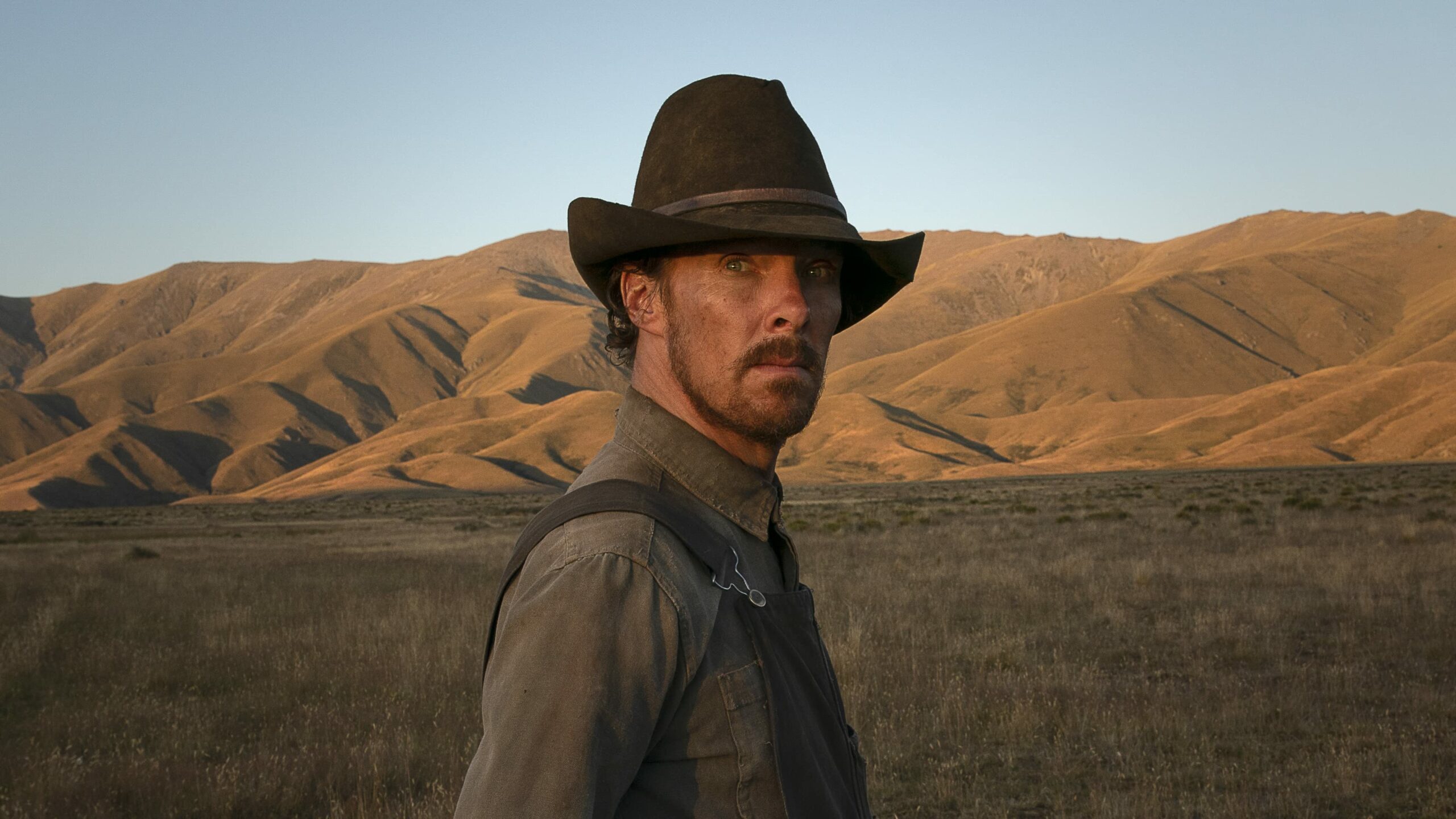
    In fact, sometimes the best stills are captured during rehearsals or in between takes, featuring moments that are not in the film and from angles that work better for still, rather than moving image. For instance, the iconic still of Benedict Cumberbatch was shot in between takes on the set of the multi-Oscar-nominated The Power of the Dog. “I took nine frames. I had 90 seconds,” stills photographer Kirsty Griffin recalls. “I didn’t know that that would be the key image. I just thought, ‘I’d be mad not to shoot this. I’d be mad not to tap him on the shoulder.’” A photographer sees the story from other angles that work for still images and tell the story of your film.

    Still from Power of the Dog (credit: Kirsty Griffin)

    In terms of film history, what happens behind the camera is just as important as what happens in front of it. A still photographer is the visual record keeper of a film. Without stills, there is no record of the film being made. Imagine if there were no behind the scenes images of some of the most iconic films from history? Also, if you want to maintain good relations with the crew and give credit where credit is due, behind the scenes images can cement your film in history.

    Behind-the-scenes image from Jack and Lou (credit: Ben Wilson)
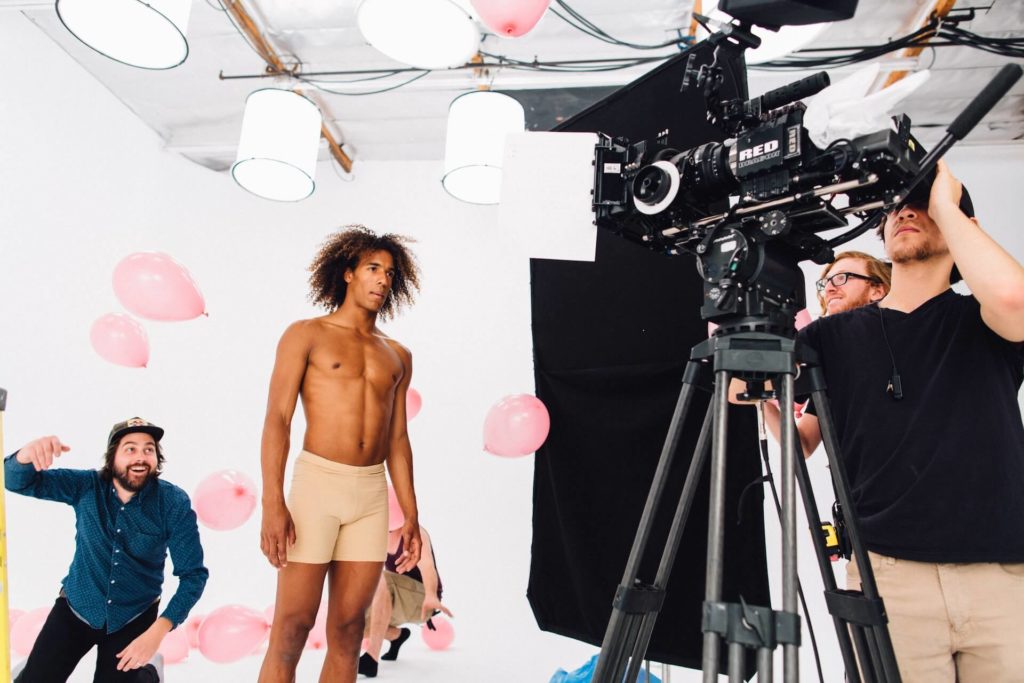
    Behind-the-scenes image from the music video of Take Me Down by Nick Broadhurst (credit: Gary Compton)

    #2: Having a friend shoot Stills

    One way to increase your film’s success is to hire the very best stills photographer you can afford. Sure, you can get an AC to shoot stills and BTS during the brief free gaps they have. Or, you can ask a friend to do it with their iPhone or an old DSLR you’ve got lying around.

    As Hidden Figures photographer Hopper Stone puts it, if stills photography looks easy, it’s because us photographers have worked on our craft for so long, that we make it look easy to the inexperienced eye (Hopper is an absolute delight to listen to, so you can watch this conversation in full here or read the highlights.) A stills photographer knows what images are needed, as well as how to work with cast and around a busy crew. A film set is an intense place where time is short, space is often limited, and ego’s abound.  It’s no simple, nor easy task to anticipate what’s coming next and how to capture that one frame that will tell the story of the film.

    If you’re working with a professional cast, an organised image selection process is essential. Actors are often contractually obligated to approve the use of their image for commercial purposes. This means that if you’re planning on using photography of your principal actors in any advertising material, you need to make sure that they have approved it. This is particularly important for films and TV shows. A stills photographer will be familiar with this process, what digital file organisation tools to use, as well as the ins and outs of delivery specs.

    market your film successfully
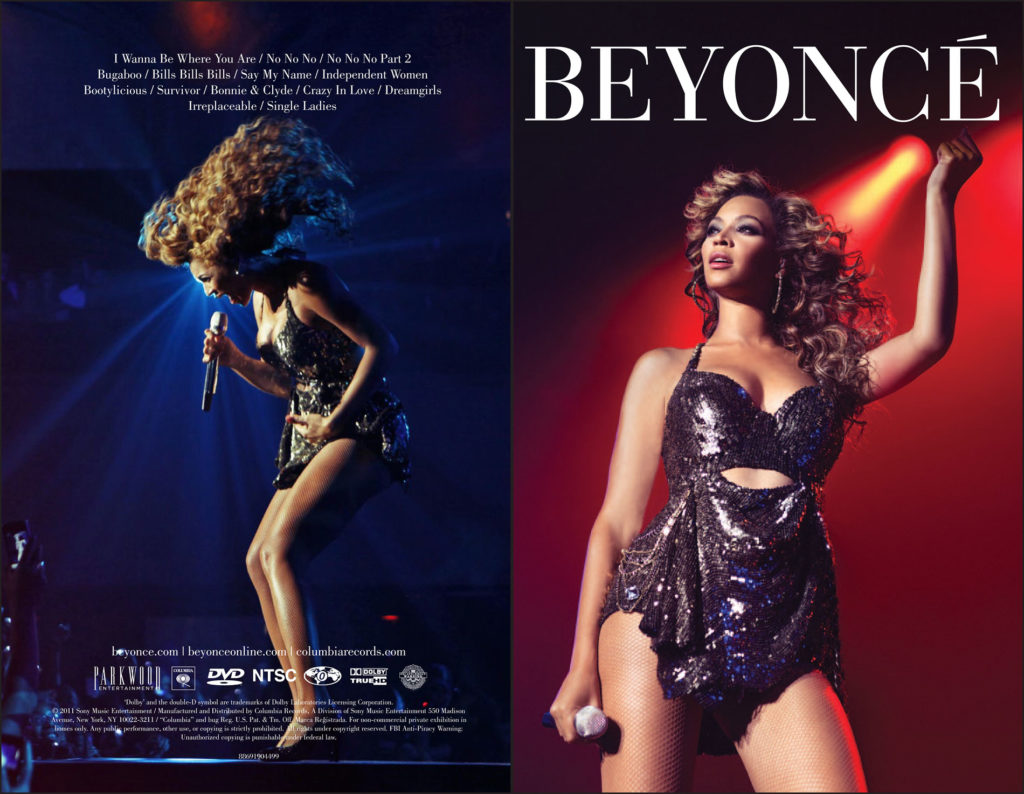
    Images from the Beyonce Roseland Documentary (credit: Myrna Suarez)

    Having said that, as a producer of a low- or micro-budget film, you can still get amazing images from less experienced photographers and without a publicist on board. In this scenario it’s vital that you communicate about expectations and have a shotlist ready for them (take a look at our film stills shotlist).

    If you’re not sure where to find a stills photographer that will be a good fit for your project, have a look at the Unit Stills Directory, where you can find photographers based on location, project type or credits.

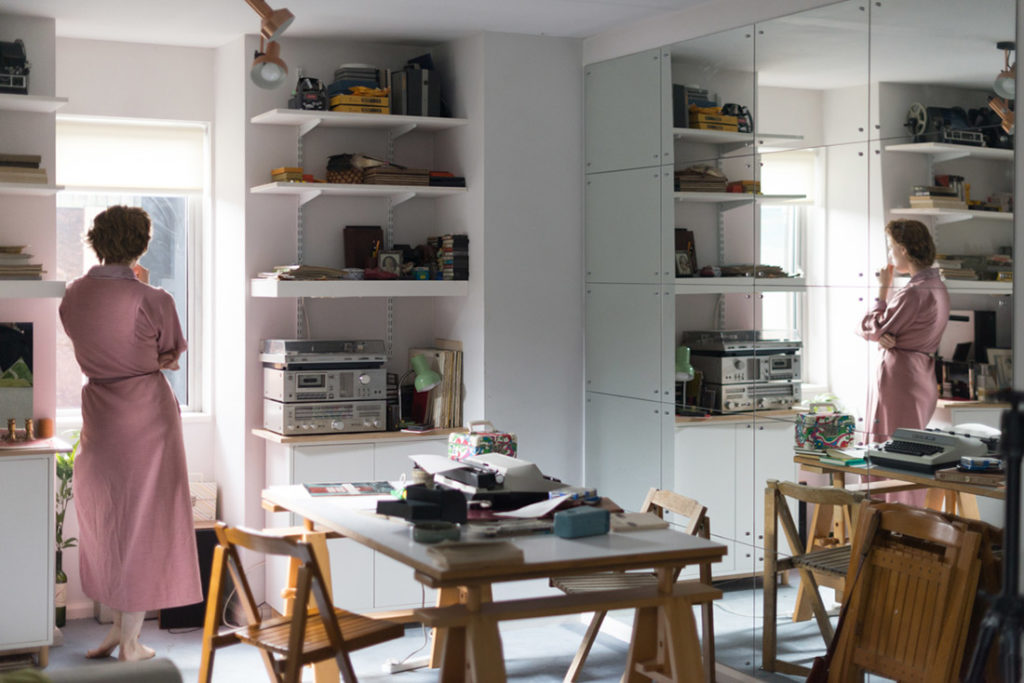
    Still from The Souvenir (credit: Diana Patient)

    #3: Using Screenshots instead of Stills

    Both technical and creative, there are a plethora of reasons as to why using screenshots instead of stills is a bad idea. High quality posters are nearly impossible to construct with a moving image screenshot. Moving image screengrabs often have motion blur due to their slower frame rates so the quality is not as sharp as our eye is now accustomed to with high quality photographs. A large format billboard or film poster will seldom look good with a screenshot… so it’s about how much you value your film looking presentable to the public.

    Moving images are shot for the big screen, we now also have to think about the little screen – Instagram feeds, a film festival programme booklet or a website; stills photographers capture images with those specific purposes in mind. 

    No matter what kind of film or TV show you’re producing, whether it’s a big blockbuster movie or a small indie; anyone who’s interacting with your production —  audiences, distributors, film festivals  — if they see one bad image from your film, they’re immediately turned off because it reflects on the project’s quality.

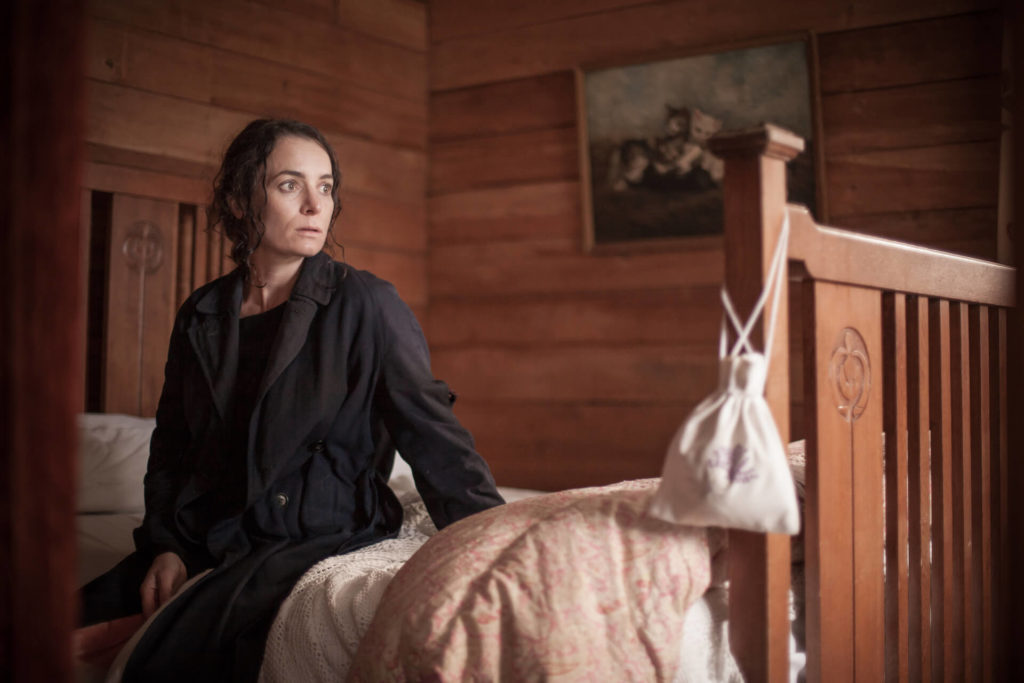
    Still from The Girl, the Lamb, & Man (credit: Lara Macgregor)
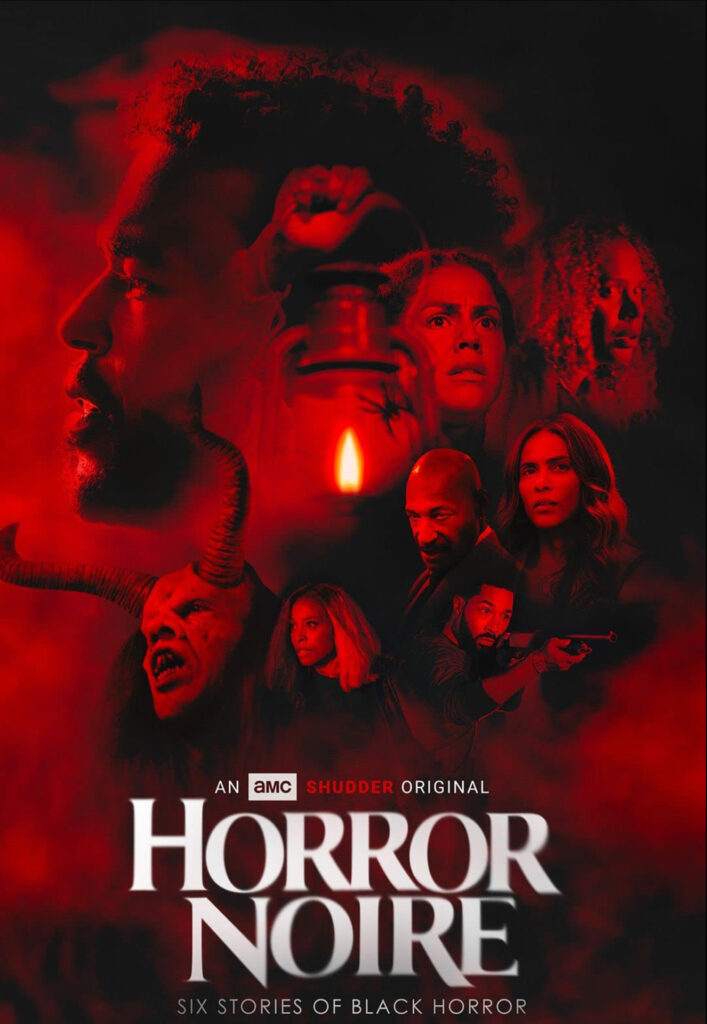
    Horror Noire Key Art (credit: Steve Swisher)

    As Greg Dyro puts it, “think of some of cinema’s most iconic images: Laurence Fishburne in dark rimless sunglasses seated in a red leather chair in The Matrix, Jack and Rose perched on the bow of Titanic, Heath Ledger’s chilling Joker in The Dark Knight. Those memorable images you see in magazines and on billboards are actually from the unit still photographer, not pulled from footage. Even major CGI films utilise still photography this way. Many advertising images of the cast from the CGI-heavy Avatar were shots by still photographer Mark Fellman.”

    Final thoughts

    A stills photographer is an even more critical member of your production team than many might realise. The most powerful images in cinema history are often shot by stills photographers, from angles that aren’t present in the movie. By hiring a good stills photographer, you will have a much greater chance of success selling your project to audiences, festivals and distributors. If you opt out of hiring a photographer, or ask a friend with a camera to shoot stills for you, it’s likely this decision will hurt your film’s chances of making a spectacular first impression prior to its big screen premiere (unless your friend is a professional stills photographer, of course! 😁)

    For both emerging and seasoned producers, Unit Stills Directory is an invaluable resource where you can find photographers based on location, project type or credits. It’s completely free for filmamkers to use and houses a collection of photographers from around the globe, with various levels of experience and areas of expertise.

    This post is inspired by Greg Dyro’s article, Snapshots of a Set: The Importance of Dedicated Unit Still Photography for Your Production
    Research and content written by Anastasia Arsentyeva
  • Become the industry’s top Unit Stills Photographer: tips from ‘Hidden Figures’ photographer Hopper Stone

    Become the industry’s top Unit Stills Photographer: tips from ‘Hidden Figures’ photographer Hopper Stone

    An open-hearted and a “kill ‘em with kindness” kind of guy, Hopper Stone sat down for a chat with Nicola Dove from the Unit Stills Directory to talk about his career journey and offer some wisdom for the younger emerging generation of stills photographers on how to be the best stills photographer you can be.

    Hopper began his photography career in 1988, working as a photojournalist covering social and political events worldwide. By 1997, however, he took the leap into unit stills. Since then he’s been awarded the prestigious Publicists Guild Award for Achievement in Television Unit Still Photography in 2012 and nominated for the same award for Motion Picture Still Photography in 2019 and 2020. Hopper worked on a plethora of TV shows and films including Modern Family, Hidden Figures, The Boss, Ghostbusters and Captain Phillips. He was also the recent president of the Society of Motion Picture Still Photographers (SMPSP).

    Best Stills Photographer
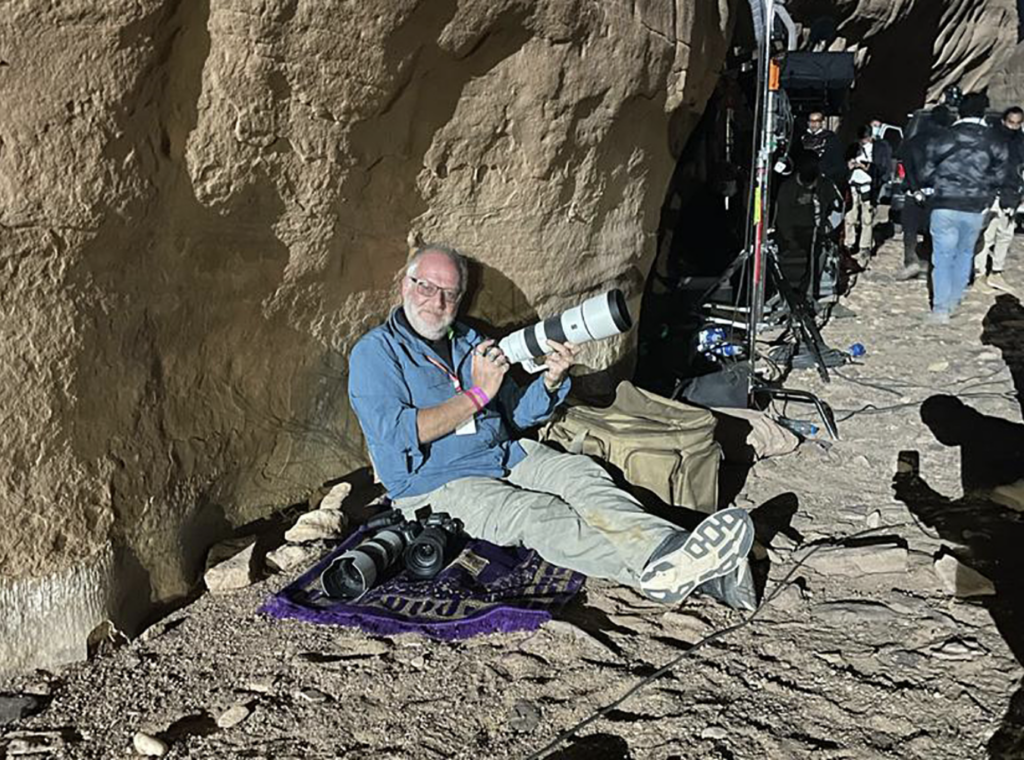
    Hopper on set in Saudi Arabia

    “Photojournalism, in a way, is the same as on-set photography,” says Hopper. “With print media, the first thing people read is the headline. Then the next thing they look at is the pictures … And then if all of those have their attention, then they read the article. Film stills are really basically the same thing. There’s a headline of the movie or TV show, and then people look at the photographs and decide whether they want to watch it.”

    Starting off strong, Hopper talks about working on an unfamiliar set for the first time and the importance of building relationships quickly with crew to get the access you need. “Your first week on a typical movie, your time is divided between getting the images that need to be gotten and laying the groundwork of trust for everyone to know you’re not gonna mess things up.”

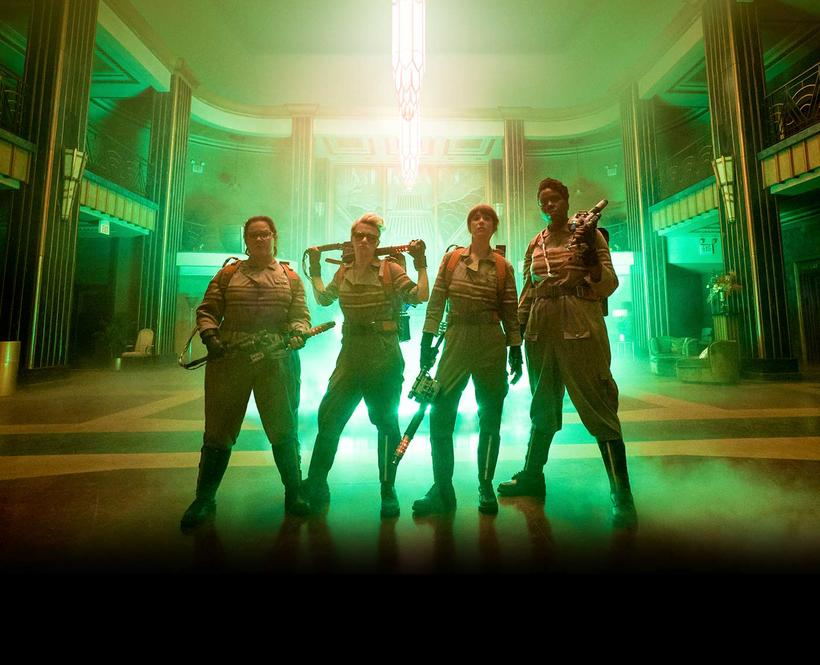
    Still from Ghostbusters (credit: Hopper Stone)

    ”You have to be ready – in the right place, at the right time, always anticipating things that might happen.”

    To become the best stills photographer you can be, remember these two things Hopper says are vital for a stills photographer to have:

    1. The Ability to Tell a Story in a Single Frame

    The story within the frame needs to be specific. If it’s a film you’re shooting on location, show where it’s set. Back in his photojournalism days, a picture editor once said to Hopper, “If you’re shooting in Paris, I want to see the Eiffel Tower. If you’re shooting in New York, I want to see the statue of Liberty.” Be clear about what or who you’re photographing and in what circumstances. You want to tell a story for the people who haven’t yet watched the film. Hopper sees stills photography as ‘diet journalism’. “I’m more of a storyteller than an artist. My job is to lay low, be quiet and just be amongst all the chaos … Through all of that I need to filter out what isn’t necessary and include what is necessary to tell a story of what’s going on.”

    2. Situational Awareness

    The best stills photographers have the ability to pivot quickly when situations change. You have to be ready – in the right place, at the right time, always anticipating things that might happen. From his years of working in TV, Hopper sums up how crucial it is to have “this skill of being able to go into an environment that you are completely unfamiliar with and size it up really quickly, without interrupting the flow of things, and then get the shots and move on.”

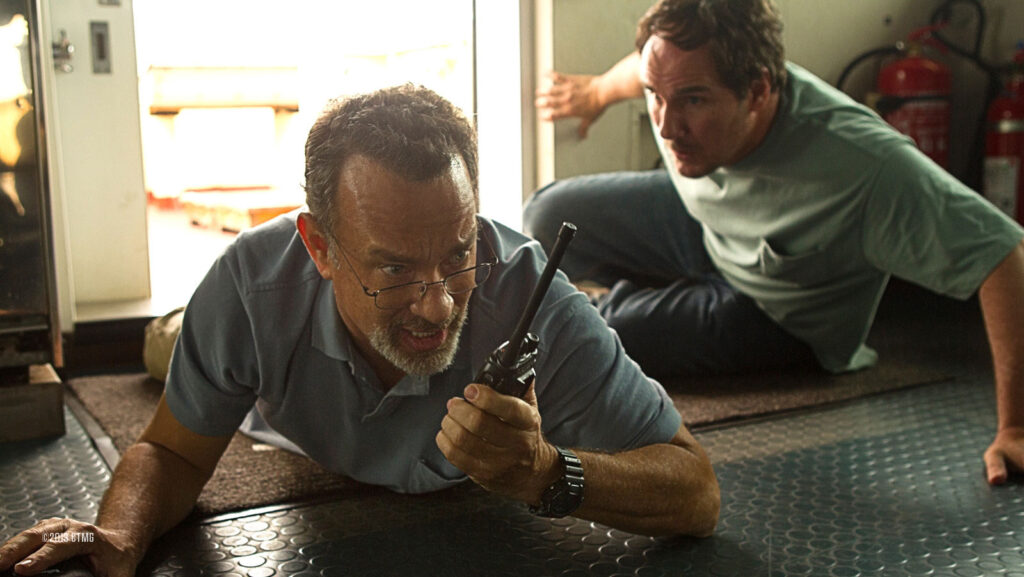
    Still from Captain Philips (credit: Hopper Stone)

    “Through all of that [on-set chaos] I need to filter out what isn’t necessary and include what is necessary to tell a story of what’s going on.”

    Hopper shares an interesting analogy he tells a lot of up-and-coming photographers. “In a world where photographers are cars, the professional photographer has to be a ferrari. These days there’s so many legitimately good photographers out there. For a publicist or producer, why would they hire you over someone else? What do you bring to the table that’s different? Sometimes it’s literally just your photos, if they’re just so much better than everyone else’s. But if it isn’ t that, then what is it? It might be a nuance, or the fact that you’re known to be easy to work with, or a project might be shot in a cold climate and you enjoy being in cold places.”

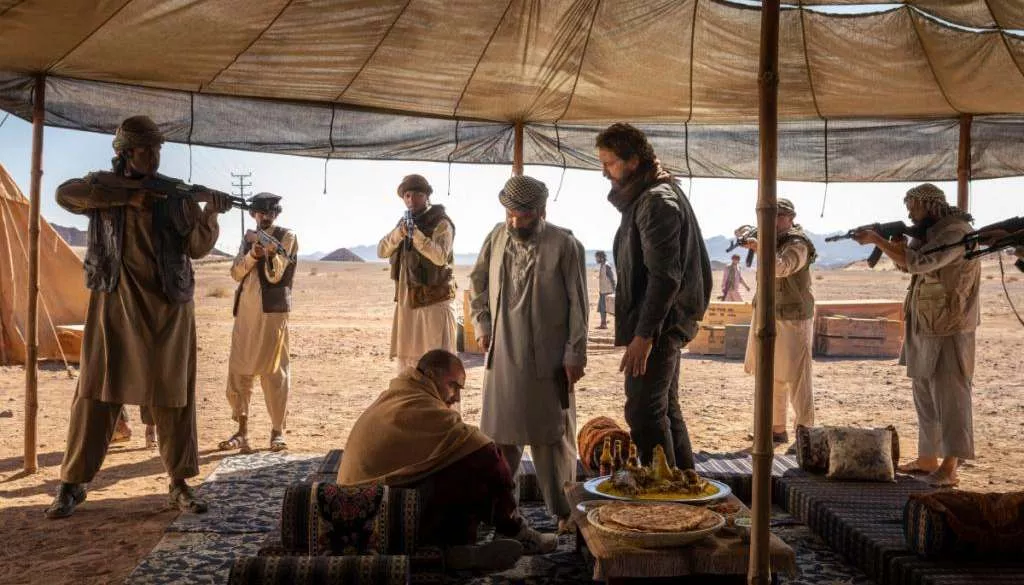
    Still from Kandahar (credit: Hopper Stone)

    One of the things that got Hopper to getting hired on Kandahar – starring Gerard Butler and shot in a desert in Saudi Arabia – was his photojournalism experience, because he’d run around in those kinds of areas of the world, and the director wanted a lot of documentation. It was also important for the production to have a crew member who was used to working in the harsh desert climate in Saudi Arabia and who was just gonna roll with the punches when not everything works the way you expect things to work. 

    Watch the full Soiree with Hopper

    There were a variety of topics and tips Hopper shared during his conversation with Nicola, but all of it would be impossible to fit into a single blog post. To hear about the etiquette of job-sharing or filling in for another photographer on a project, how to get the 1st AD on your side when you need a reset, the tricks to shooting stills for comedy and how to deal with being uncredited on IMDb, watch the full Stills Soiree with Hopper Stone (available for Unit Stills Directory Members).

    To check out more of Hopper’s extraordinary work, visit his directory profile or Instagram. 

    The monthly Stills Soirees are part of the Unit Stills Directory  – an online search platform that specialises in showcasing set photographers’ work. Each month an expert from the film industry is invited as a guest speaker.

    For filmmakers, it’s a great place to discover new talent and find unit stills photographers based in various locations around the world.

    For unit photographers it’s a fantastic way to expose your work to a wider audience, become part of a supportive community, and hear from some of the best stills photographers and other professionals in the industry.

    Content written by Anastasia Arsentyeva
  • Unit Stills Photographer: what they do and how do I become one?

    Unit Stills Photographer: what they do and how do I become one?

    The job of a unit stills photographer can be a mysterious one. Although a stills photographer is technically part of the camera department, oftentimes they are a one-person team. “But it does take a still photographer to sell a movie, and to show the movie, and to archive the movie, and to have the moments go down in history,” says Society of Motion Picture Stills Photographers (SMPSP) co-president Merie Weismiller Wallace.

    Unlike other departments, where most people start out as runners or assistants, there’s no such thing in stills photography, as it is usually a department of one. So what does the job entail, and how does one start out as a stills photographer?

    What is the role of a unit stills photographer

    A stills photographer is crucial to help sell and market the film to audiences, film festivals and key industry stakeholders.

    Still from Charité (credit: Julie Vrabelová)

    So, let’s unpack what this career entails.

    Firstly, a stills photographer captures the key images that act as a film’s business card. All images on film posters, social media posts or film festival programs are captured by a stills photographer on set, or crafted in a photo studio afterwards. The common misconception is that ‘stills’ are simply screenshots from the actual film. However, there are many good reasons why screenshots don’t make good stills. Stills photographers are looking for angles and moments in the scene that work best for a still, not a moving image.

    There may be a perfect set-up for a beautiful image whilst the cameras aren’t rolling, so a unit stills photographer utilises rehearsals and the time between takes to capture moments as well. Besides perfect timing and being able to shoot the necessary images in an extremely narrow time window, a stills photographer must know how to direct actors to get the desired expression, posture and composition. Photographer Kirsty Griffin’s work is a perfect example of this. She took the iconic still of Benedict Cumberbatch on the set of the multi-Oscar-nominated The Power of the Dog in a timeframe of 90 seconds, in between takes.

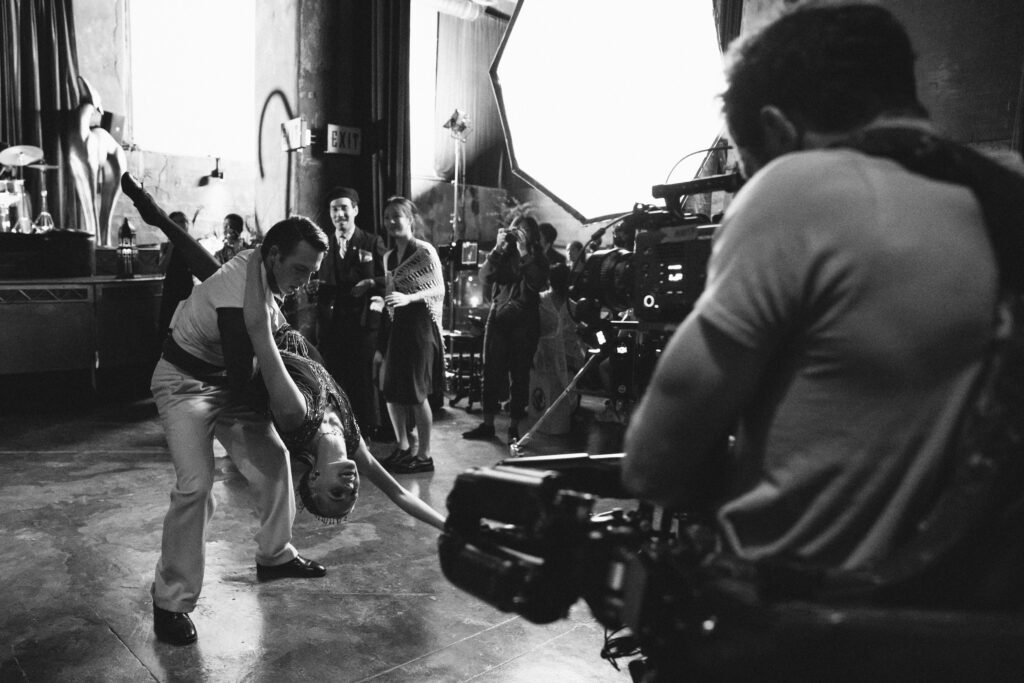
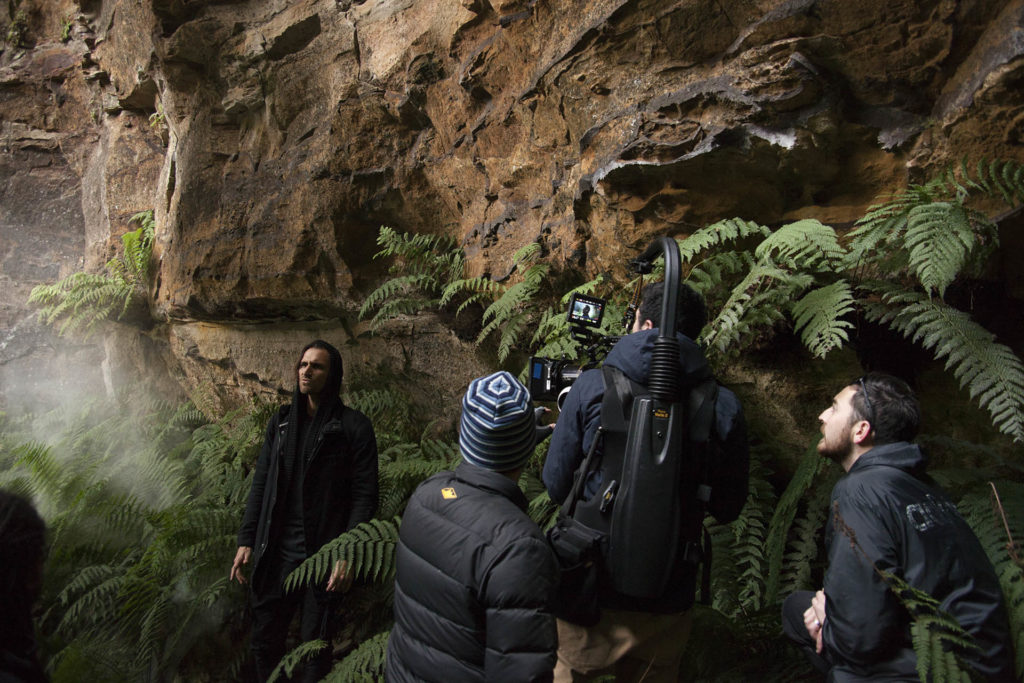
    Stills photography also involves capturing behind-the-scenes content, which involves a somewhat different set of skills as you’re photographing crew, who work behind the camera for a living, rather than in front. In the hectic hustle and bustle on a film set, behind-the-scenes images are almost journalistic in this sense – authentic and raw.

    Thirdly, think of those iconic film posters that you usually find framed in a cinema or in houses of dedicated film-buffs. Stranger Things, Back to the Future, Star Wars, or independent titles such as Moonlight, The Favourite or The Imitation Game. Film posters are often constructed of a collage of images captured by a unit stills photographer and/or from a photographer who has shot portraits of the actors especially for the poster. It’s like a film’s profile picture – it’s what captures the audience’s attention, sticks in their minds and goes down in history.

    Behind the scenes image from Maya (credit: Sasha Dylan Bell)

    How to become a unit stills photographer

    There is no single right path to becoming a unit stills photographer. Such is the case for many departments in Film and TV, but especially stills. Some stills photographers have taken unconventional paths into stills and started out in different departments altogether. The key, really, is to build a good portfolio and get on as many sets as possible, which will help you build a network of people in the industry. Often photographers start out working on short films for free – like most crew do – to get regular work doing stills. It can take some time getting your foot in the door and building a name for yourself, but the results can be extremely rewarding. 

    For example, over the last 20 years, stills photographer Nicola Dove has worked on film like the latest 007 film No Time to Die, Murder on the Orient Express and The Death of Stalin, to name a few. At the beginning of her career, Nicola worked on short films for free for about a year, before getting hired on Sally Potter’s feature film Yes through a producer she’d met when travelling (you never know when or where you’ll meet a useful connection!). Prior to that, Nicola shot for magazines, charities and paid her bills by shooting weddings.

    Behind the scenes image from a Hayden James music video (credit: Craig Stubing)

    Hollywood photographer David Strick worked for years as an editorial, advertising and corporate photographer and he would contact film productions that would grant him set access for the day. “Unit photographers are basically always the nicest person on any given set,” David Strick shares, “because if you’re a photographer, you’re sort of, by nature, in the way a little bit. You’re the person that’s moving around behind the camera, that distracts the actor, or you’re the person that wants to shoot somebody candid between scenes. So they tend to have to be people that everybody on the crew just loves, to forgive them for being interruptive. And they have to find ways of being harmless and nice.”

    “Basically, you couldn’t find a group of people who are more adapted to sociability than unit stills photographers.”

    As stills photographer Michael Becker (American Idol, The Masked Singer and Master Chef Junior) says, landing a job on a production set has a lot to do with your portfolio of work. An online portfolio must have great shots, but more importantly, it needs to show that you understand what kind of images a production’s publicist is looking for to market the film.

    Where do I start?

    For many people working in film and TV, breaking into the industry often involves extensive networking, seizing opportunities and being able to make a good first impression. But really, there’s more than that. For a photographer, a good portfolio is vital, but a good attitude, passion and a willingness to learn also go a long way.

    “Attitude is key,” says Nicola Dove. “The question I get asked the most is how to get started in this industry. What does it take? How can I break in?”

    “My simple answer is you need two things – patience and persistence. Actually, you need a few more as well, like a great sense of timing and composition, ideally a calm demeanour and a thick skin. But let’s start with patience and persistence because even if you have the other qualities, you won’t make it unless you stick at it.”

    Nicola Dove

    Network, network, network! Getting on a film set for the first time is a challenge in its own right. However, a good starting point is to contact film schools and universities, and work on student films to build up a portfolio. Another way to work on set is to get work as a supporting artist (also known as extras) through an agency. Those are usually searchable on the internet and are free to sign up to. While you won’t be able to take pictures on set, it’s a great way to observe and understand how a set works. Getting work is all about building relationships with production coordinators, production managers, producers and unit publicists. So the more you try and surround yourself with those people – the better.

    Still from Dress Theque Music Video (credit: Julia Firak)

    Bonus: Need more guidance?

    In addition to being an experienced unit stills photographer, Nicola is also the founder of the Film Stills Academy. So if you feel like you’re hitting a wall, or you’d like some personalised guidance and mentorship, Nicola’s Film Stills Fast Track course might be a good place to start. 

    The Academy was born out of Nicola’s passion to train the next generation of unit stills photographers and provide them a window into the industry. Since launching in 2020, many graduates have already successfully worked on productions after having never set foot on a film set before. 
    For those who’d like a taste of the course before committing to it, Nicola also regularly runs a free 5-day Film Stills Launchpad course on Instagram live.

    Research and content written by Anastasia Arsentyeva