Tag: film stills directory

  • How to stand out as a stills photographer: In conversation with Top Gun: Maverick unit publicist Michael Singer

    How to stand out as a stills photographer: In conversation with Top Gun: Maverick unit publicist Michael Singer

    Still soirees are monthly online meet-ups, where stills photographer Nicola Dove has conversations with industry guests such as other successful stills photographers, publicists, producers and directors. Here is a taste of the July 2023 Soiree with Michael Singer.


    Michael Singer is one of the industry’s top unit publicists with an impressive list of credits like Top Gun: Maverick, Pirates of the Caribbean, Jerry Maguire, The Fast and The Furious, Tim Burton’s Batman films, The Bourne Identity, Confessions of a Shopaholic and many (many) more. Recipient of the 2014 Les Mason Lifetime Achievement Award from the Publicists of the International Cinematographers Guild, Michael has also published a dozen books about film, as well as 14 annual editions of the reference book Michael Singer’s Film Directors: A Complete Guide.

    Michael speaks about the role of a unit publicist and how it’s been changing over the recent years, the relationship between publicity and unit stills, his favourite on-set experiences (some of which were ‘life-altering) and the qualities of a great stills photographer on set.

    It all started with a fan letter

    After five decades in the film and television industry, Michael’s enthusiasm for cinema has never dimmed. And although he’s worked with Hollywood A-listers and legendary directors, his incredibly humble nature brings a smile to your face. “I genuinely love the people who work on set. What they do amazes me. Their skills, their talents. I’m honoured to be in the same place as they are. I still can’t believe, after 62 projects in 50 years, that I’m actually sharing a set with these people.”

    “Everybody loves movies. I took it to an unreasonable degree.”

    Michael tells us about how the seeds of his career were planted back when he was still a teenager, living in the Borough of Queens, New York. In 1968, when the widely divisive 2001: A Space Odyssey first started playing in theatres, 15-year-old MichaelI was completely enamoured by the film and came back to see it over and over again. “Everybody loves movies. I took it to an unreasonable degree,” he chuckles.
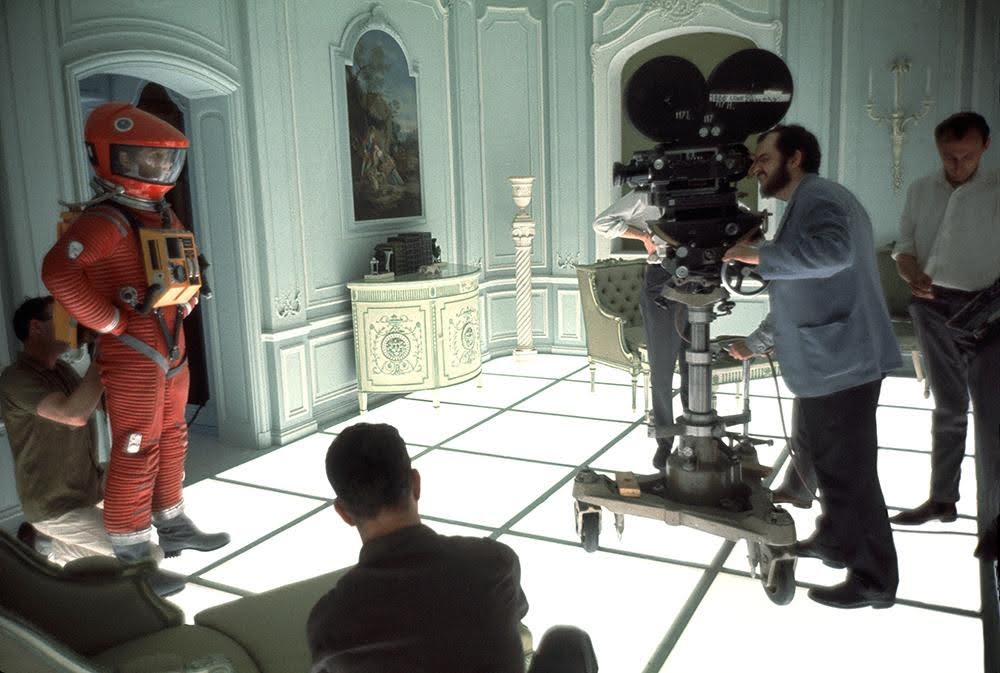
    Behind the scenes image from a 2001: A Space Odyssey. Stanley Kubrick (right) filming a scene with Keir Dullea (left) at MGM-British Studios in Hertfordshire. (credit: Keith Hamshere)

    Eventually this led him to writing a fan letter to director Stanley Kubrick. As Michael affectionately calls it, “a dumb letter written by a dumb 15-year-old”. Nevertheless, his letter got a response from Kubrick’s assistant. Although not from Kubrick himself, this was more than enough for Michael. 

    Fast forward a few weeks, and to Michael’s surprise, an excerpt of his letter was published in Variety in a side column about the film’s newfound young fans. Michael called up the author of the article (this was back in the phonebook era), who introduced him to the publicity director of 2001: A Space Odyssey over at Metro-Goldwyn-Mayer.

    The rest is history. 

    The role of the unit publicist 

    Michael explains what the unit publicist role entails as he admits with a laugh, “Even people who have worked on set for 40 years don’t know what a unit publicist does.”

    “Fundamentally, a unit publicist is the production’s publicist while the film or TV show is actually being made. First of all, you’re the intermediary between the studio or network publicity departments and the filmmakers. You’re responsible for arranging interviews for journalists and publications, and you’re certainly the guide and contact for journalists while they’re on set, arranging interviews with whomever they want to speak to.”
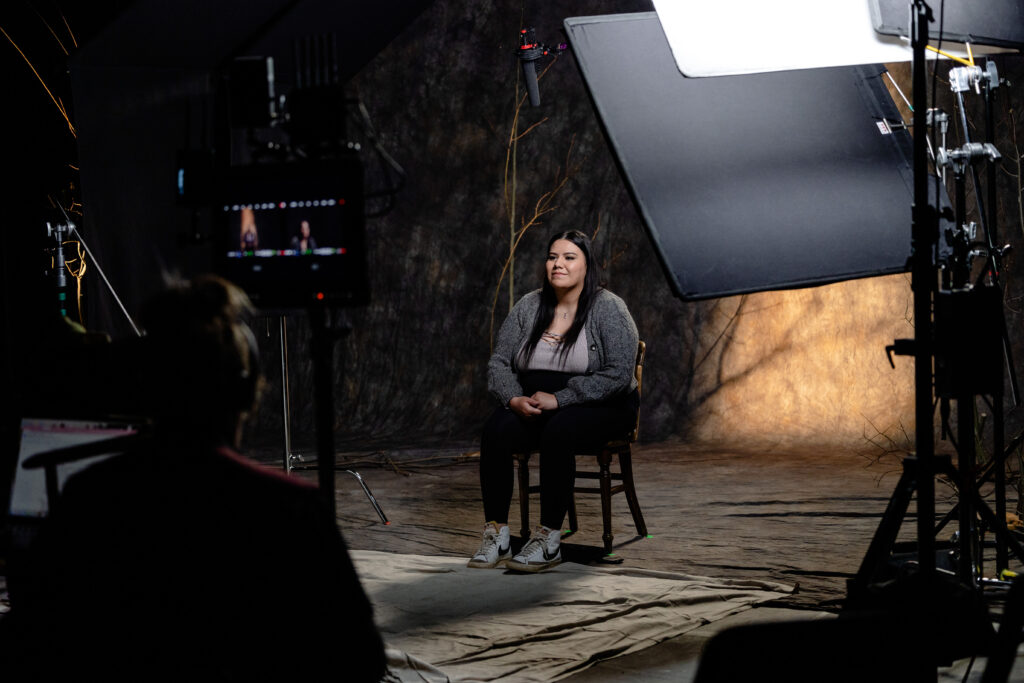
    Behind the scenes image from Winds of Canada (credit: Kristin Breitkreutz)

    As Nicola points out it’s likely stills photographers who are in the early stages of their careers will be working with a unit publicist at first. “You won’t be involved with unit publicists until you get into a level of TV series or mid-level indie films. And then certainly on the streamers’ [productions] you’ll be working very closely with unit publicists.”

    What makes a great stills photographer

    The big question – how is a ‘good’ photographer different from a ‘great’ one? After almost 5 decades on set, Michael has worked with this fair share of stills photographers, and narrows down his top qualities that great stills photographers have:

    • The ability to be ‘invisible’ on set
    • The ability to form relationships quickly
    • Thinking like a unit publicist when creating their images on set

    “The best thing is to be visible when you need to be visible, and invisible the rest of the time.”
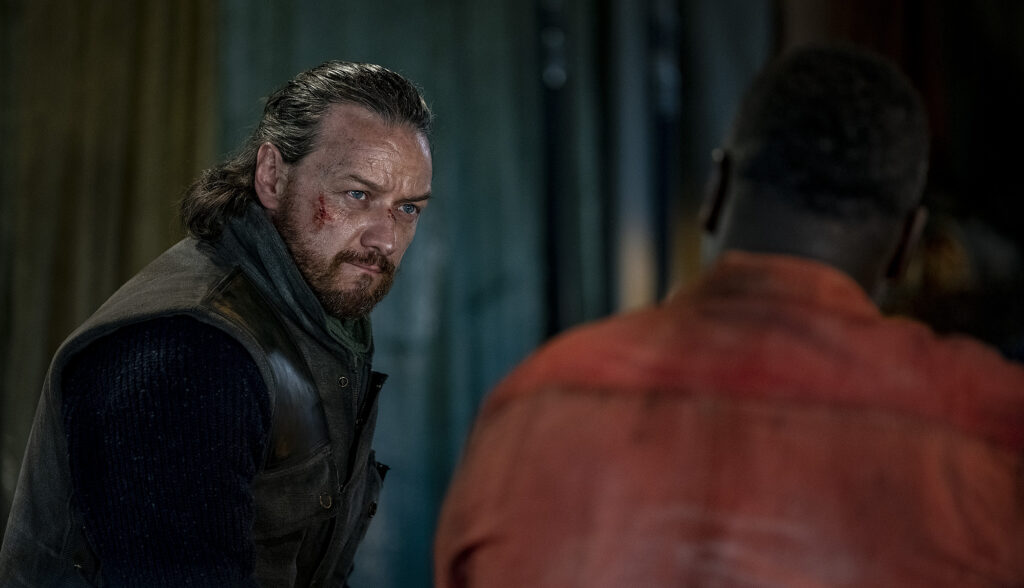
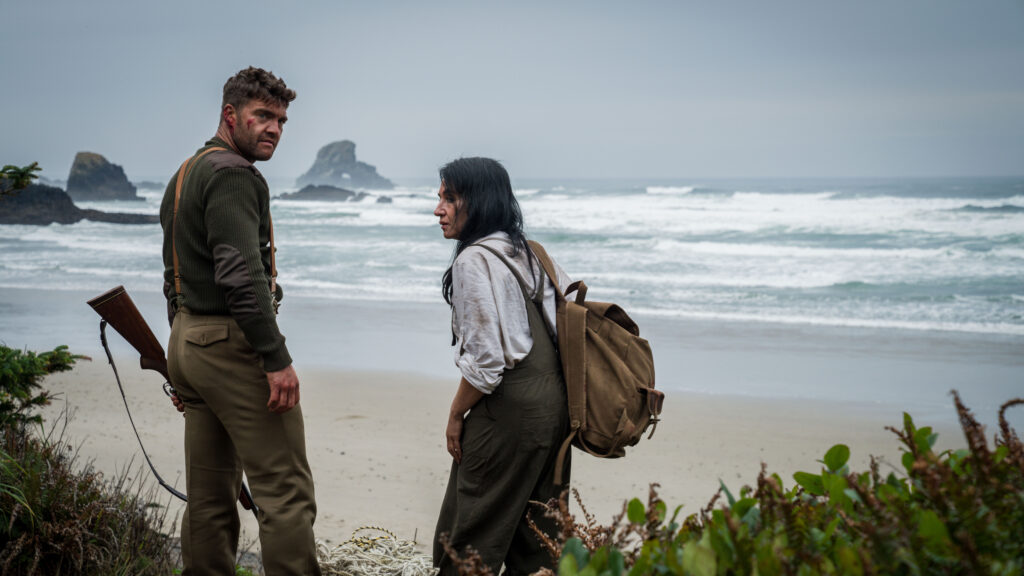
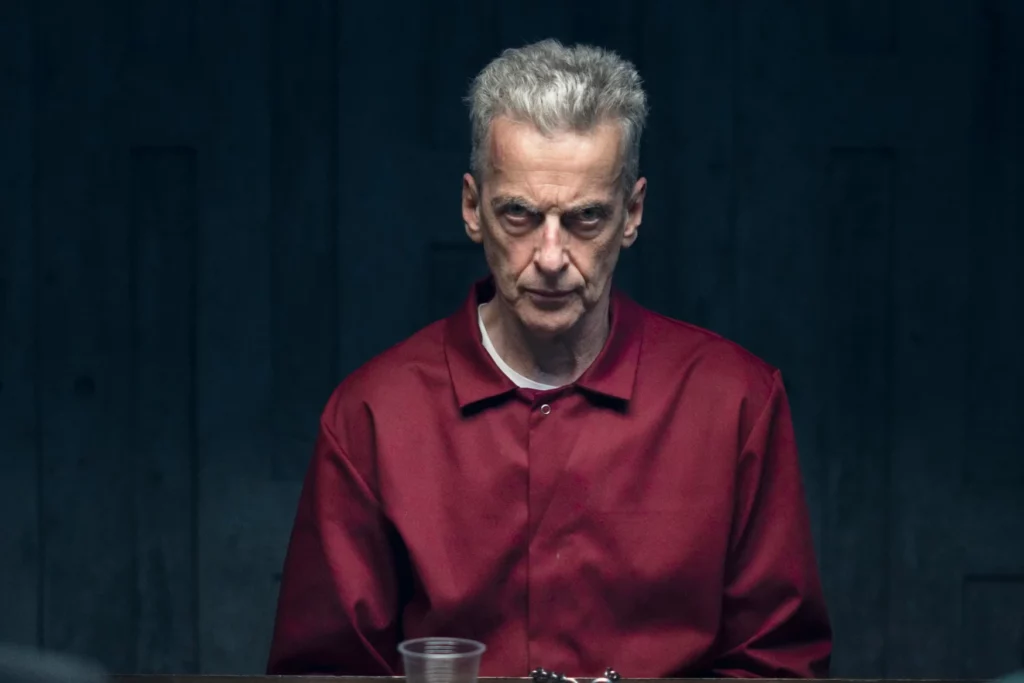
    Unit still from His Dark Materials S3 (credit: Patrick Baldwin)
    Unit still from The Most Dangerous Game (credit: Jason Tozier)

    “When I see an image which somehow not only captures the look of the film or the TV show, but also the soul of it… There is a point where it becomes art. And when I see an image, which is a work of art, clearly a work of art that could stand on its own, aside from the scene or the moment that it’s capturing, those are my favourite stills to look at.”
    time.”
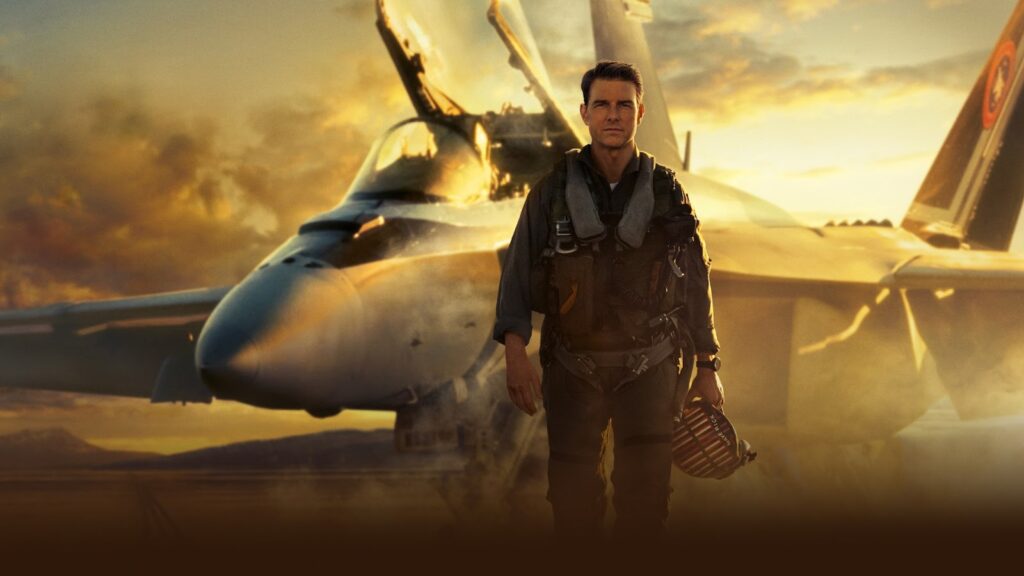
    Key art from Top Gun: Maverick (credit: Scott Garfield)
    Top Gun: Maverick character poster (credit: Scott Garfield)

    Bonus: Who hires stills photographers

    The reality is, in 99% of the cases, the unit publicist is not responsible for hiring a photographer. More often than not, unit photographers are hired by the picture editors, the producers or directors they’ve created relationships with. 

    “I receive a lot of inquiries from a lot of unit photographers who are either starting out, or trying to kick their careers into a higher gear. And I always feel terrible because I’m not in a hiring position and rarely is there a situation where I can even recommend a unit photographer,” Michael admits. “The bottom line is that while it’s great to make contact with all kinds of people who work in film, including people like me, we’re not the ones who do the hiring.”

    Watch the Soiree replay

    You can watch the full soiree replay with Michael to learn about what makes a stills photographer stand out to a unit publicist, as well as the ins-and-outs of a film publicity office.

    Are you a stills photographer? Create a profile on the specialist Unit Stills Directory, an industry-recognised community of accredited stills photographers from all around the globe. Founded by Nicola Dove, the directory aims to bring photographers and industry leaders together, providing a platform for both new and established talent.
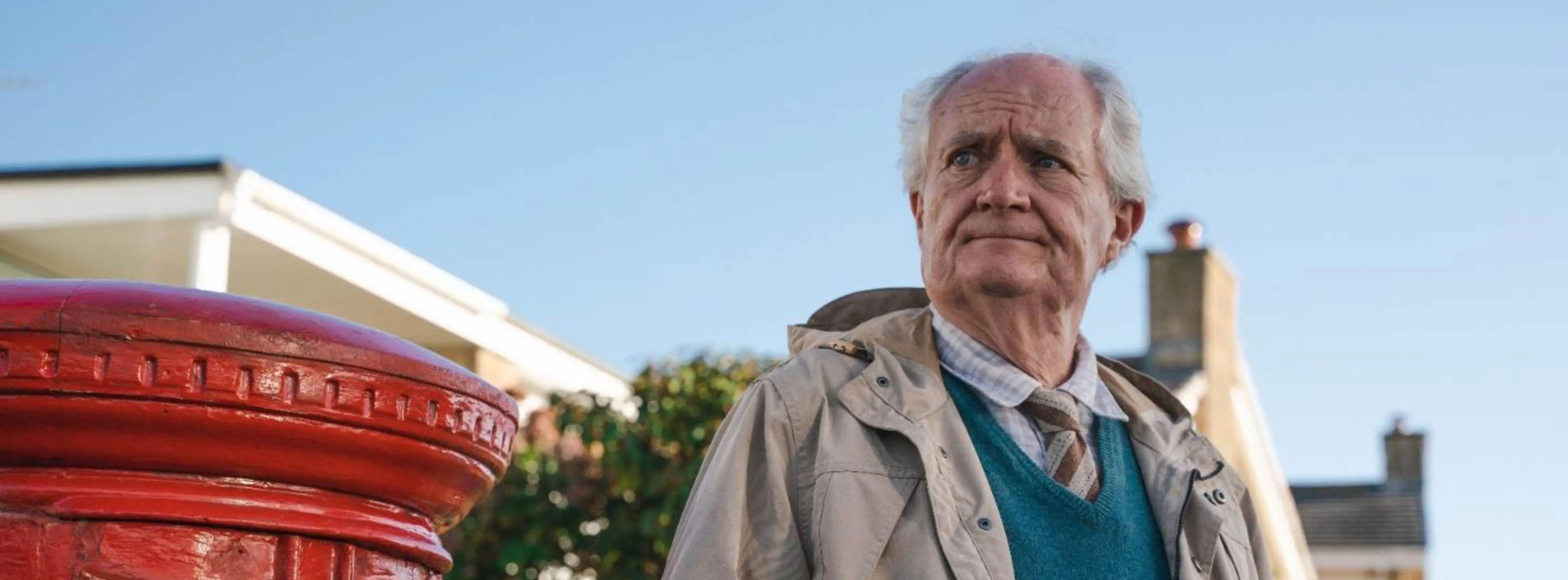
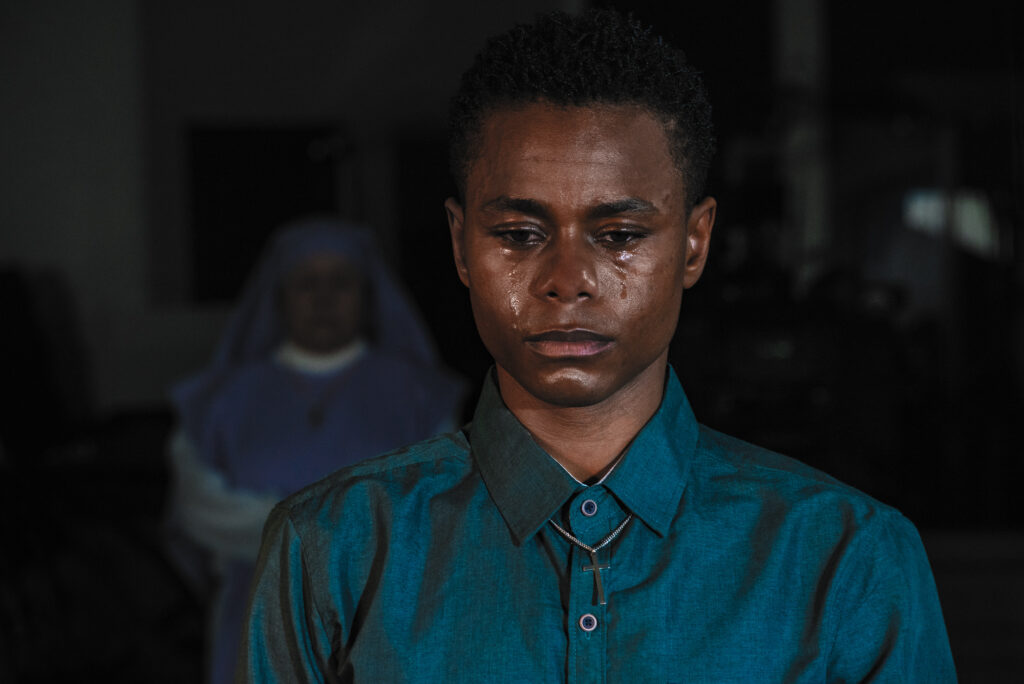
  • Advice from BAFTA winner Kevin Loader: Publicity Mistakes to Avoid as a Producer

    Advice from BAFTA winner Kevin Loader: Publicity Mistakes to Avoid as a Producer

    BAFTA-winning British producer and director Kevin Loader sat down over a virtual coffee with Nicola during the monthly Stills Soiree as part of the Unit Stills Directory. 

    Kevin is one of the UK’s most experienced producers. His long list of credits include Death of Stalin, Elizabeth, Nowhere Boy, The Lady In The Van and The Unlikely Pilgrimage of Harold Fry (and photographed by the directory member David Gennard).

    Kevin spoke about publicity mistakes producers tend to make in relation to unit stills that can jeopardise the success of a film, and what to do to avoid that. He also shared valuable insight on the ‘first look’ still and why it’s so vital for a film’s journey.

    Make or break your film: the ‘First Look’ Still

    After all those years of writing, development and pre-production a film’s first impression boils down to, as its name suggests, the first look still. But what are the elements that make up a first look still and why is it so crucial?

    Kevin deconstructs this key question, “the so-called ‘first look’ is really just the first still that is released … And once that is out there, that image tends to be the image that is representing the film for quite a long time, ironically.”

    “Any film is sold on its visuals to a large extent.”

    Still from Loulou (credit: Federico Imperiale)

    Announcing your film to the world

    If you trace through the timeline of a film’s marketing campaign, it’s very common for the first look to be released as a way of announcing to the world that your film is shooting. So it’s often a still that’s been shot in the first few weeks of the film, meaning it doesn’t necessarily represent the whole film, but it is a key moment. “You may have had a ‘Day One’ [of filming] press release come out, but that will just be a dry press release full of people saying platitudes in quotation marks,” says Kevin. Most of the time, the first look becomes the thing that represents the film for the early part of its life. So they’re quite hard to pick, and often much debated amongst the stakeholders, the producers and the director.

    The ‘business card’ of a film

    “There comes a moment when Screen International or Deadline or Variety will all fight to have the first look, as it is incredibly crucial in the journey of a film. That first look still has to capture the flavour of the film, show the look of the leading actor or actors and give a clue to the aesthetic of the film, without necessarily telling the story of the film. But it must relate to the story of the film in a way in which everyone can understand. 

    Key film publicity mistakes to avoid as a producer
    Still from The Devil’s Hour (credit: Matt Towers)

    Key publicity mistakes producers can make:

    #1 Not hiring a unit stills photographer at all

    Whether the film is a low-budget indie, or a Hollywood blockbuster, stills are an essential part of its journey. “Producers who are starting out often don’t appreciate what having a great set of images will give them in the bigger picture,” says Nicola. 

    Without a stills photographer, not only will the film have very little material to market with, which is a big problem in the short term, there is also no record of the film being made, something that is important down the line, especially if your film goes on to do well! 

    Producers that think simply using screen grabs make a good a substitute for high quality stills from a photographer on set, are making a grave error. There are many reasons why, both technical and creative. 

    #2 Not facilitating good access for the photographer

    To create the best possible images, a stills photographer needs to have access. A great producer will introduce a photographer to the key cast and crew upon arrival, so they get off to a good start, and then back them up if they are having trouble getting access to scenes or actors.

    Make sure the photographer has access to the script, the call sheets, the sides, and any actor read throughs, so that they can understand the story, the characters and therefore be aware for the best storytelling moments on set. 

    When there are reluctant actors in regards to stills, it’s helpful if the producer is able to support the photographer. “Some actors get it and a lot of actors don’t get it. And often it’s the producer’s job to try and cajole and sweet talk those actors into making it a priority when they don’t want to,” says Kevin. “Sometimes the more ‘serious’ method-y actors don’t want to do it. It’s a negotiation.”

    Key film publicity mistakes to avoid as a producer
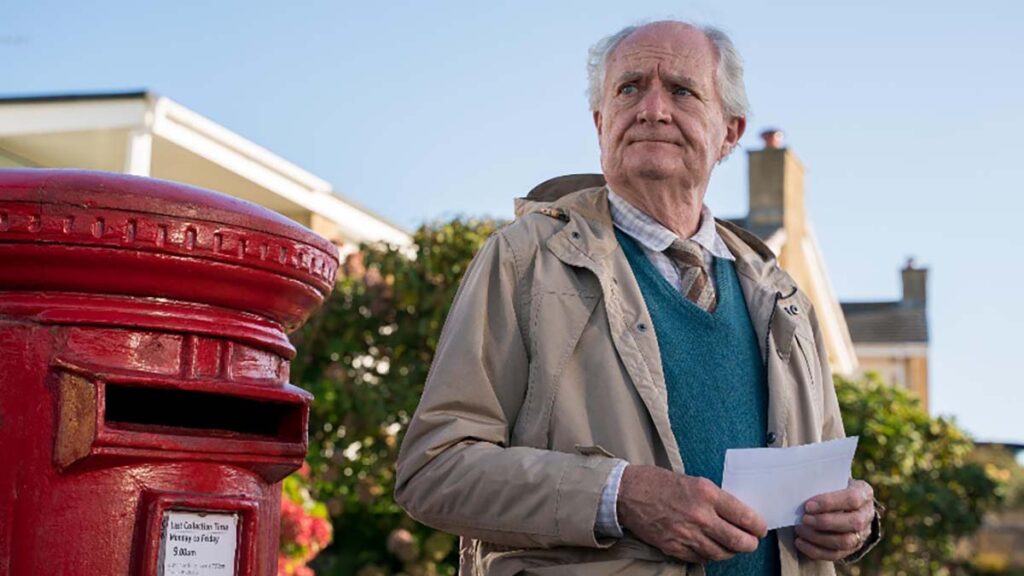
    Still from The Unlikely Pilgrimage of Harold Fry (credit: David Gennard)

    #3 Not prioritising connecting your film to the world

    A great cast and crew know the importance of the role of unit stills on set. However, when that isn’t always the case, it can be a barrier for photographers to get their job done. By default, a stills photographer is in the way of the cast and crew doing their jobs, and some may see it as wasting the already limited precious seconds of time.

    “Without that thing that connects the film to the world you might as well all go home.”

    “Nobody really wants to prioritise the needs of the machine which is trying to connect this film to the world. They’re in their moment, they’re just making the film and that seems to be the only thing that’s important. And it’s not true. Without that thing that connects the film to the world you might as well all go home. So a lot of producers don’t understand that you have to do that.”

    #4 Avoiding discussing stills in advance with all stakeholders

    Kevin explains how a large part of what producers have to do on set is anticipate those high-stress moments and liaise with the publicity, the marketing and the distribution machine early enough that you all know what you’re trying to get out of this shoot. “If everybody talks about it in advance, then you know what you need. And you absolutely have to go into the shoot with all your stakeholders knowing what you need,” he says. “Whether it’s a first look still, a specials shoot, or everybody going through the script and going ‘we really need that shot of X and Y when this happens. We definitely need that scene covered by the stills photographer.’”

    Key film publicity mistakes to avoid as a producer
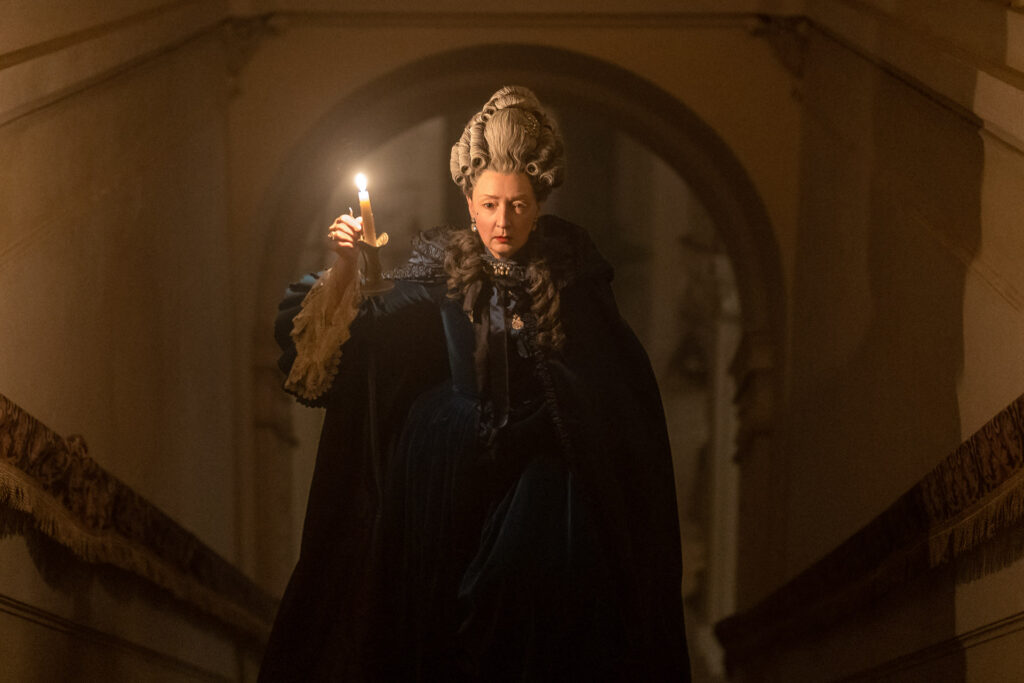
    Still from Dangerous Liaisons (credit: Martin Mlaka)
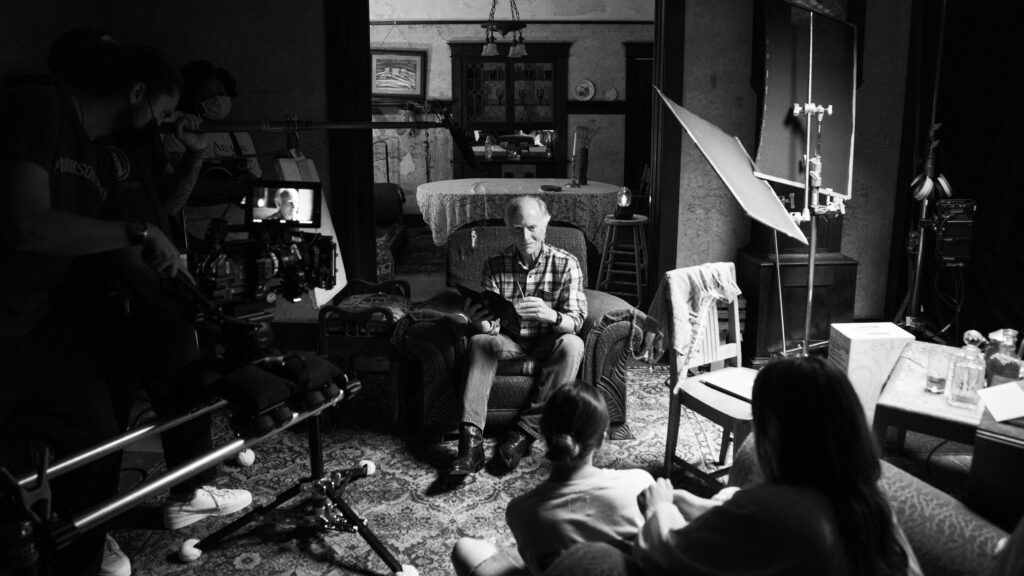
    Behind the scenes image from Seraphim (credit: Ben Wilson)

    #5 Not thinking out of the box

    It’s not uncommon to see ‘no unauthorised video or photography on set’ signs plastered around studios, particularly when it comes to high-budget or highly-anticipated productions. “The biggest challenge, mostly with social media, is stopping leaks from the set,” says Kevin. “But you have to think the other way as well. Actually, what we’ve done on the last few films is to encourage everyone to take pictures of the crew on their phones and upload them to a particular site … So then when we get to the end of filming, we’ve got many different perspectives of the shoot, not just the still photographer’s. Sometimes that stuff is really great for social media because it feels candid and authored.”

    Bonus: Where can I find a good stills photographer?

    If you’re not sure where to find the stills photographer that suits the needs of your next production, have a look at the Unit Stills Directory. It only features accredited stills photographers, with various experience levels and specialism. You can search stills photographers based on location, project type and credit. You can also see whether they are part of the Union. 

    The directory also serves as a community for stills photographers who become members.  Launched by photographer Nicola Dove, the directory aims to celebrate the next generation of emerging photographers, as well as expanding horizons for established ones. During the monthly Stills Soirees, industry professionals host online talks and Q&A sessions for the directory members as a way to educate, inspire and elevate the craft of unit stills photography. Become a member to watch the full replay of the Kevin Loader Stills Soiree. 

    Some quotes have been altered for brevity and clarity purposes.

  • Become the industry’s top Unit Stills Photographer: tips from ‘Hidden Figures’ photographer Hopper Stone

    Become the industry’s top Unit Stills Photographer: tips from ‘Hidden Figures’ photographer Hopper Stone

    An open-hearted and a “kill ‘em with kindness” kind of guy, Hopper Stone sat down for a chat with Nicola Dove from the Unit Stills Directory to talk about his career journey and offer some wisdom for the younger emerging generation of stills photographers on how to be the best stills photographer you can be.

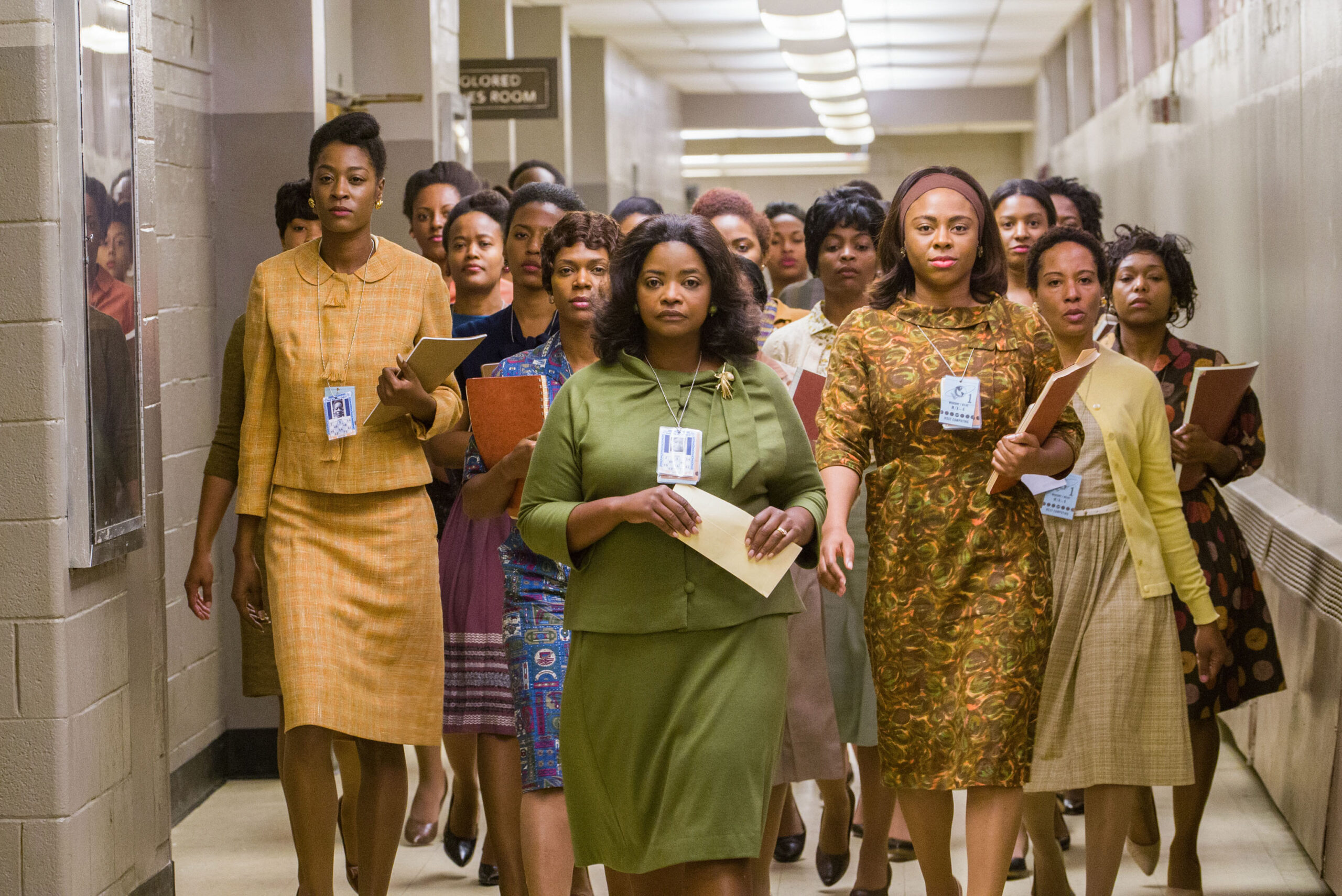
    Hopper began his photography career in 1988, working as a photojournalist covering social and political events worldwide. By 1997, however, he took the leap into unit stills. Since then he’s been awarded the prestigious Publicists Guild Award for Achievement in Television Unit Still Photography in 2012 and nominated for the same award for Motion Picture Still Photography in 2019 and 2020. Hopper worked on a plethora of TV shows and films including Modern Family, Hidden Figures, The Boss, Ghostbusters and Captain Phillips. He was also the recent president of the Society of Motion Picture Still Photographers (SMPSP).

    Best Stills Photographer
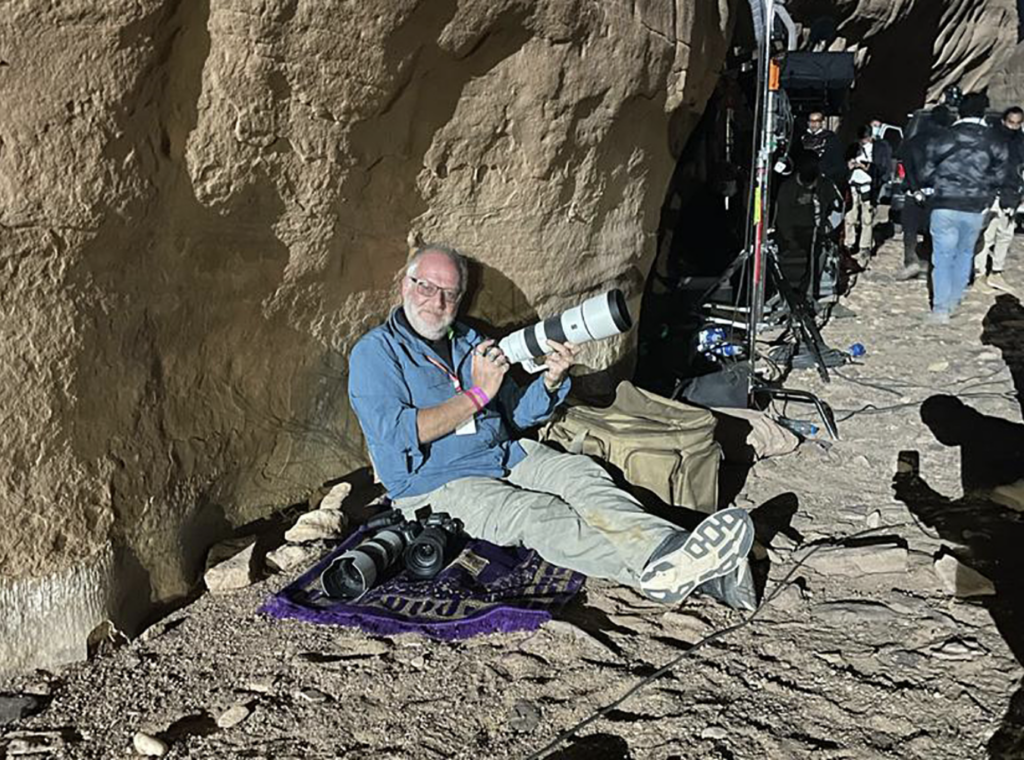
    Hopper on set in Saudi Arabia

    “Photojournalism, in a way, is the same as on-set photography,” says Hopper. “With print media, the first thing people read is the headline. Then the next thing they look at is the pictures … And then if all of those have their attention, then they read the article. Film stills are really basically the same thing. There’s a headline of the movie or TV show, and then people look at the photographs and decide whether they want to watch it.”

    Starting off strong, Hopper talks about working on an unfamiliar set for the first time and the importance of building relationships quickly with crew to get the access you need. “Your first week on a typical movie, your time is divided between getting the images that need to be gotten and laying the groundwork of trust for everyone to know you’re not gonna mess things up.”

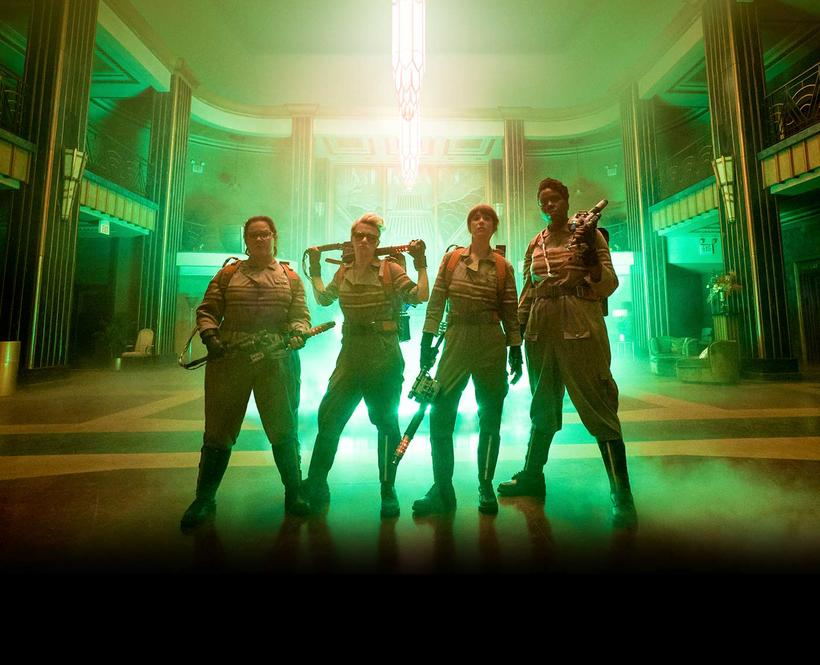
    Still from Ghostbusters (credit: Hopper Stone)

    ”You have to be ready – in the right place, at the right time, always anticipating things that might happen.”

    To become the best stills photographer you can be, remember these two things Hopper says are vital for a stills photographer to have:

    1. The Ability to Tell a Story in a Single Frame

    The story within the frame needs to be specific. If it’s a film you’re shooting on location, show where it’s set. Back in his photojournalism days, a picture editor once said to Hopper, “If you’re shooting in Paris, I want to see the Eiffel Tower. If you’re shooting in New York, I want to see the statue of Liberty.” Be clear about what or who you’re photographing and in what circumstances. You want to tell a story for the people who haven’t yet watched the film. Hopper sees stills photography as ‘diet journalism’. “I’m more of a storyteller than an artist. My job is to lay low, be quiet and just be amongst all the chaos … Through all of that I need to filter out what isn’t necessary and include what is necessary to tell a story of what’s going on.”

    2. Situational Awareness

    The best stills photographers have the ability to pivot quickly when situations change. You have to be ready – in the right place, at the right time, always anticipating things that might happen. From his years of working in TV, Hopper sums up how crucial it is to have “this skill of being able to go into an environment that you are completely unfamiliar with and size it up really quickly, without interrupting the flow of things, and then get the shots and move on.”

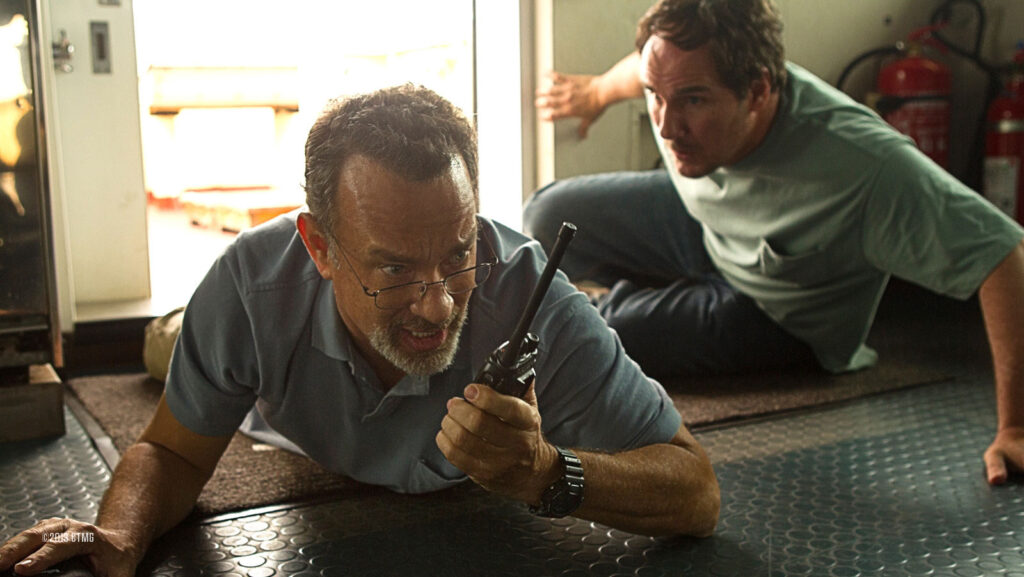
    Still from Captain Philips (credit: Hopper Stone)

    “Through all of that [on-set chaos] I need to filter out what isn’t necessary and include what is necessary to tell a story of what’s going on.”

    Hopper shares an interesting analogy he tells a lot of up-and-coming photographers. “In a world where photographers are cars, the professional photographer has to be a ferrari. These days there’s so many legitimately good photographers out there. For a publicist or producer, why would they hire you over someone else? What do you bring to the table that’s different? Sometimes it’s literally just your photos, if they’re just so much better than everyone else’s. But if it isn’ t that, then what is it? It might be a nuance, or the fact that you’re known to be easy to work with, or a project might be shot in a cold climate and you enjoy being in cold places.”

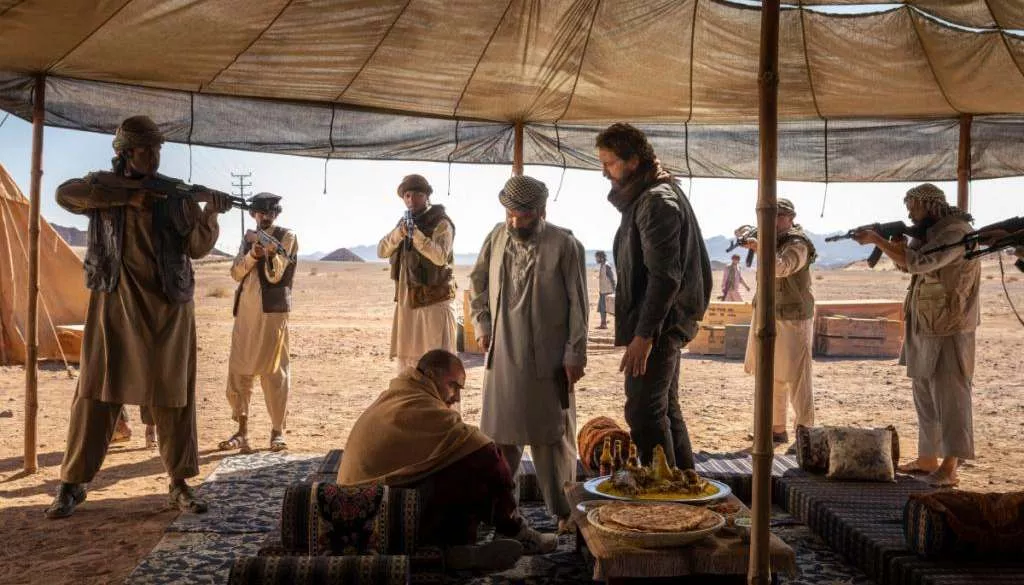
    Still from Kandahar (credit: Hopper Stone)

    One of the things that got Hopper to getting hired on Kandahar – starring Gerard Butler and shot in a desert in Saudi Arabia – was his photojournalism experience, because he’d run around in those kinds of areas of the world, and the director wanted a lot of documentation. It was also important for the production to have a crew member who was used to working in the harsh desert climate in Saudi Arabia and who was just gonna roll with the punches when not everything works the way you expect things to work. 

    Watch the full Soiree with Hopper

    There were a variety of topics and tips Hopper shared during his conversation with Nicola, but all of it would be impossible to fit into a single blog post. To hear about the etiquette of job-sharing or filling in for another photographer on a project, how to get the 1st AD on your side when you need a reset, the tricks to shooting stills for comedy and how to deal with being uncredited on IMDb, watch the full Stills Soiree with Hopper Stone (available for Unit Stills Directory Members).

    To check out more of Hopper’s extraordinary work, visit his directory profile or Instagram. 

    The monthly Stills Soirees are part of the Unit Stills Directory  – an online search platform that specialises in showcasing set photographers’ work. Each month an expert from the film industry is invited as a guest speaker.

    For filmmakers, it’s a great place to discover new talent and find unit stills photographers based in various locations around the world.

    For unit photographers it’s a fantastic way to expose your work to a wider audience, become part of a supportive community, and hear from some of the best stills photographers and other professionals in the industry.

    Content written by Anastasia Arsentyeva