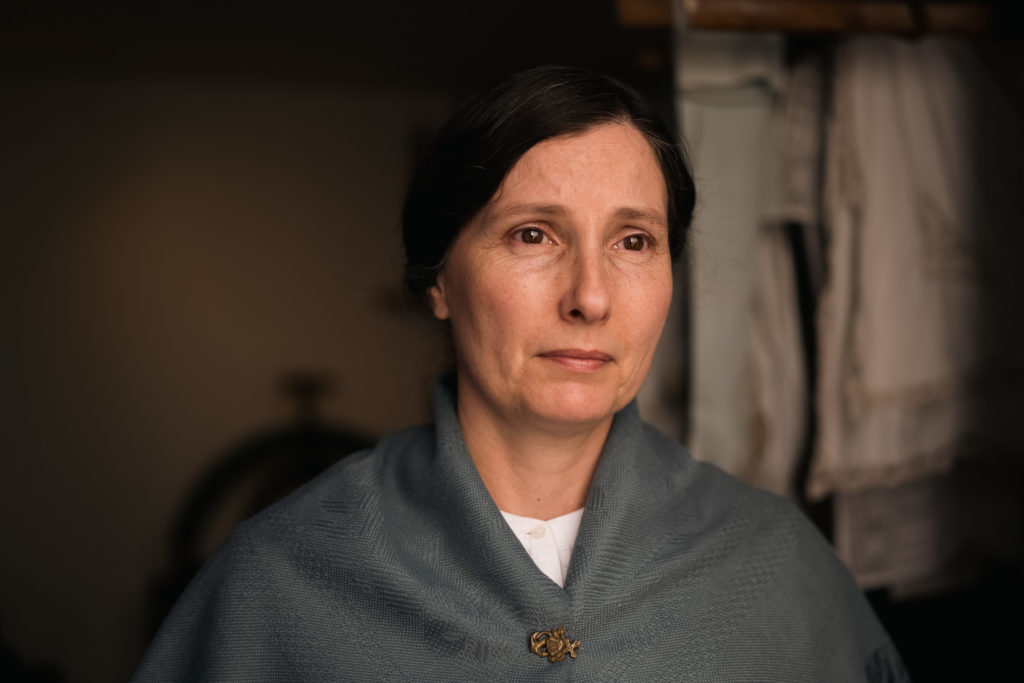
The job of a unit stills photographer can be a mysterious one. Although a stills photographer is technically part of the camera department, oftentimes they are a one-person team. “But it does take a still photographer to sell a movie, and to show the movie, and to archive the movie, and to have the moments go down in history,” says Society of Motion Picture Stills Photographers (SMPSP) co-president Merie Weismiller Wallace.
Unlike other departments, where most people start out as runners or assistants, there’s no such thing in stills photography, as it is usually a department of one. So what does the job entail, and how does one start out as a stills photographer?
What is the role of a unit stills photographer
A stills photographer is crucial to help sell and market the film to audiences, film festivals and key industry stakeholders.
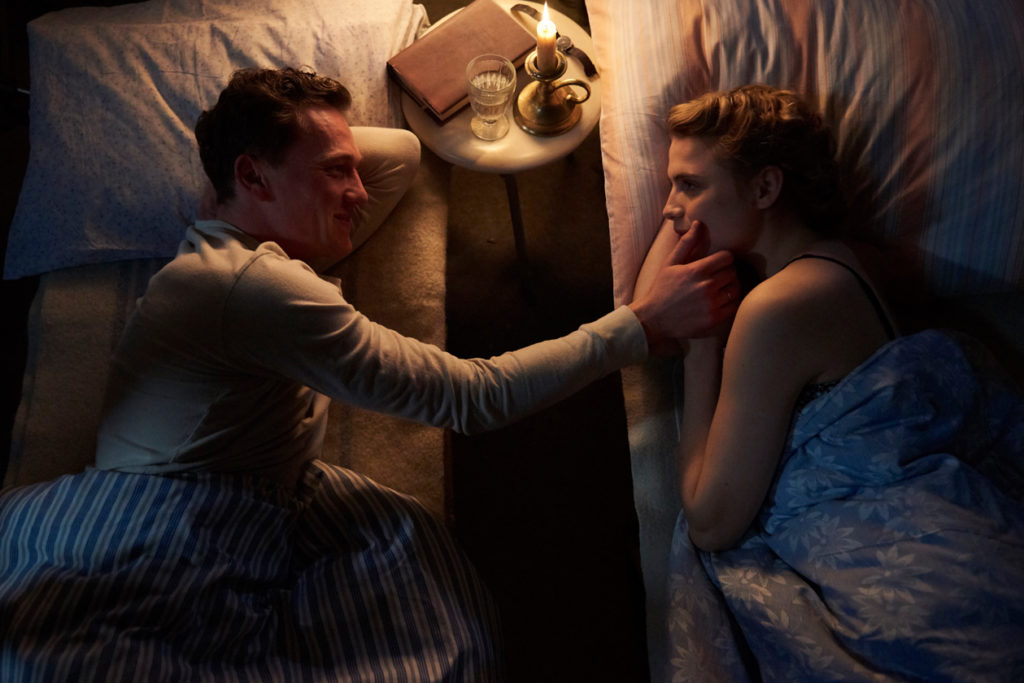
So, let’s unpack what this career entails.
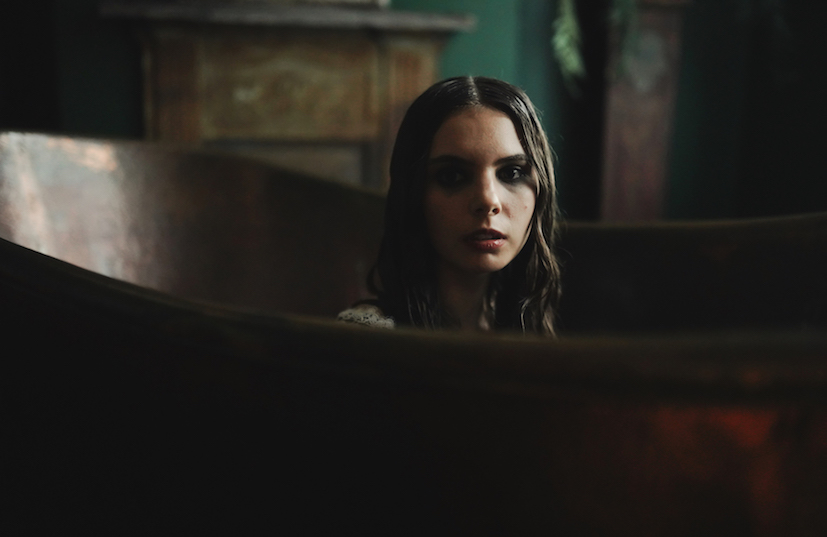
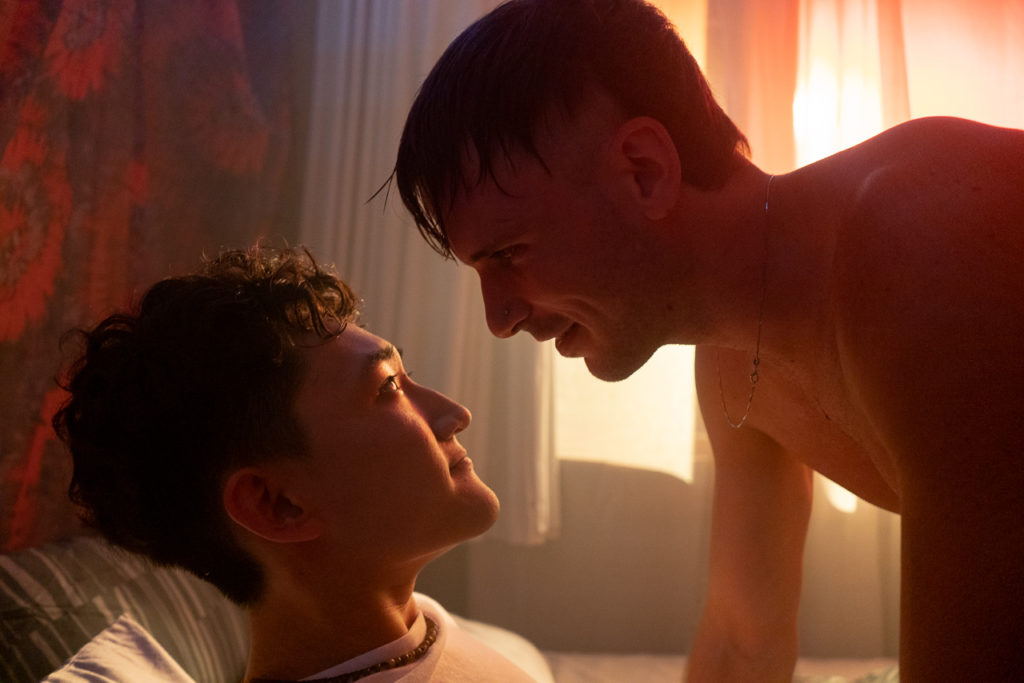
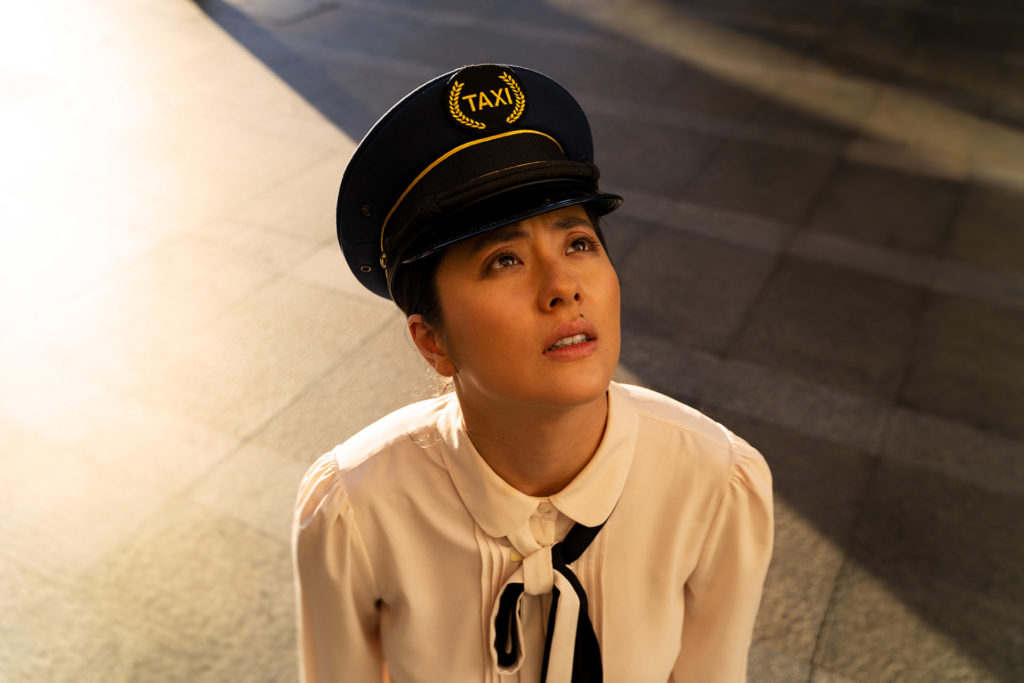
Firstly, a stills photographer captures the key images that act as a film’s business card. All images on film posters, social media posts or film festival programs are captured by a stills photographer on set, or crafted in a photo studio afterwards. The common misconception is that ‘stills’ are simply screenshots from the actual film. However, there are many good reasons why screenshots don’t make good stills. Stills photographers are looking for angles and moments in the scene that work best for a still, not a moving image.
There may be a perfect set-up for a beautiful image whilst the cameras aren’t rolling, so a unit stills photographer utilises rehearsals and the time between takes to capture moments as well. Besides perfect timing and being able to shoot the necessary images in an extremely narrow time window, a stills photographer must know how to direct actors to get the desired expression, posture and composition. Photographer Kirsty Griffin’s work is a perfect example of this. She took the iconic still of Benedict Cumberbatch on the set of the multi-Oscar-nominated The Power of the Dog in a timeframe of 90 seconds, in between takes.
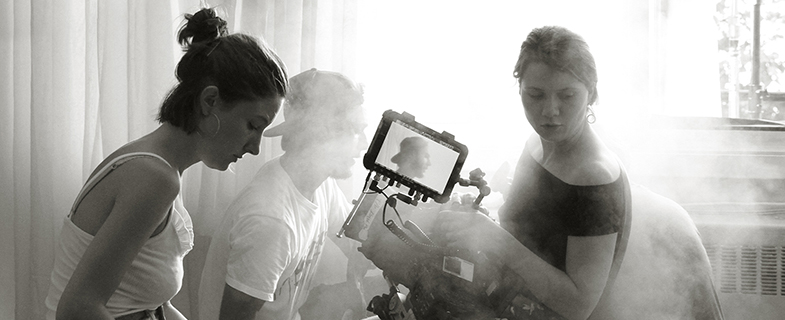
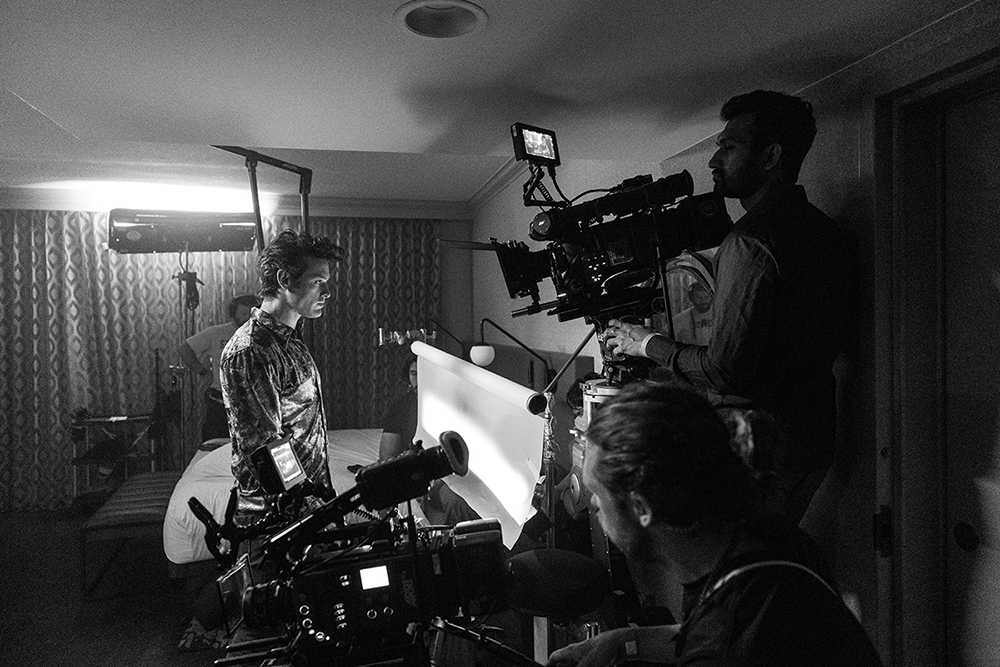
Stills photography also involves capturing behind-the-scenes content, which involves a somewhat different set of skills as you’re photographing crew, who work behind the camera for a living, rather than in front. In the hectic hustle and bustle on a film set, behind-the-scenes images are almost journalistic in this sense – authentic and raw.
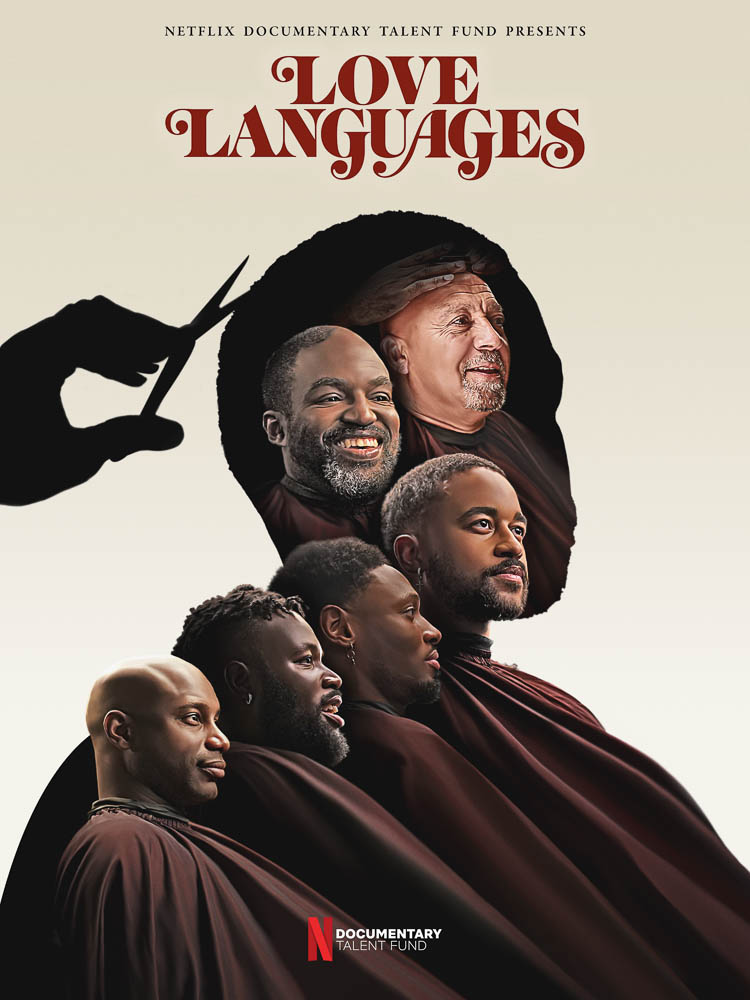
Thirdly, think of those iconic film posters that you usually find framed in a cinema or in houses of dedicated film-buffs. Stranger Things, Back to the Future, Star Wars, or independent titles such as Moonlight, The Favourite or The Imitation Game. Film posters are often constructed of a collage of images captured by a unit stills photographer and/or from a photographer who has shot portraits of the actors especially for the poster. It’s like a film’s profile picture – it’s what captures the audience’s attention, sticks in their minds and goes down in history.
How to become a unit stills photographer
There is no single right path to becoming a unit stills photographer. Such is the case for many departments in Film and TV, but especially stills. Some stills photographers have taken unconventional paths into stills and started out in different departments altogether. The key, really, is to build a good portfolio and get on as many sets as possible, which will help you build a network of people in the industry. Often photographers start out working on short films for free – like most crew do – to get regular work doing stills. It can take some time getting your foot in the door and building a name for yourself, but the results can be extremely rewarding.
For example, over the last 20 years, stills photographer Nicola Dove has worked on film like the latest 007 film No Time to Die, Murder on the Orient Express and The Death of Stalin, to name a few. At the beginning of her career, Nicola worked on short films for free for about a year, before getting hired on Sally Potter’s feature film Yes through a producer she’d met when travelling (you never know when or where you’ll meet a useful connection!). Prior to that, Nicola shot for magazines, charities and paid her bills by shooting weddings.
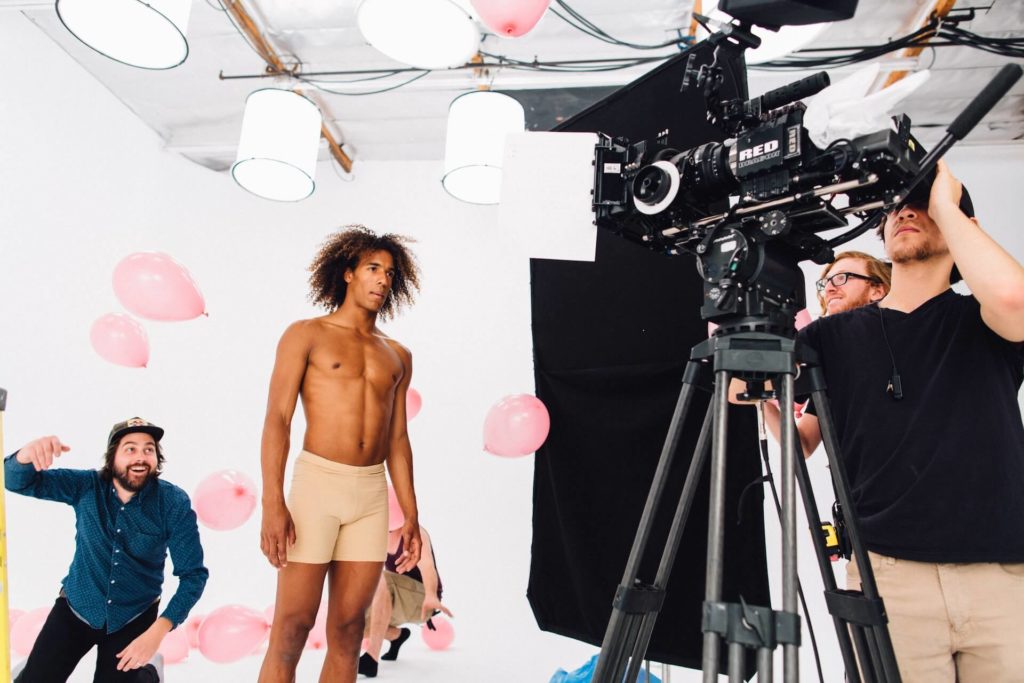
Hollywood photographer David Strick worked for years as an editorial, advertising and corporate photographer and he would contact film productions that would grant him set access for the day. “Unit photographers are basically always the nicest person on any given set,” David Strick shares, “because if you’re a photographer, you’re sort of, by nature, in the way a little bit. You’re the person that’s moving around behind the camera, that distracts the actor, or you’re the person that wants to shoot somebody candid between scenes. So they tend to have to be people that everybody on the crew just loves, to forgive them for being interruptive. And they have to find ways of being harmless and nice.”
“Basically, you couldn’t find a group of people who are more adapted to sociability than unit stills photographers.”
As stills photographer Michael Becker (American Idol, The Masked Singer and Master Chef Junior) says, landing a job on a production set has a lot to do with your portfolio of work. An online portfolio must have great shots, but more importantly, it needs to show that you understand what kind of images a production’s publicist is looking for to market the film.
Where do I start?
For many people working in film and TV, breaking into the industry often involves extensive networking, seizing opportunities and being able to make a good first impression. But really, there’s more than that. For a photographer, a good portfolio is vital, but a good attitude, passion and a willingness to learn also go a long way.
“Attitude is key,” says Nicola Dove. “The question I get asked the most is how to get started in this industry. What does it take? How can I break in?”
“My simple answer is you need two things – patience and persistence. Actually, you need a few more as well, like a great sense of timing and composition, ideally a calm demeanour and a thick skin. But let’s start with patience and persistence because even if you have the other qualities, you won’t make it unless you stick at it.”
Nicola Dove
Network, network, network! Getting on a film set for the first time is a challenge in its own right. However, a good starting point is to contact film schools and universities, and work on student films to build up a portfolio. Another way to work on set is to get work as a supporting artist (also known as extras) through an agency. Those are usually searchable on the internet and are free to sign up to. While you won’t be able to take pictures on set, it’s a great way to observe and understand how a set works. Getting work is all about building relationships with production coordinators, production managers, producers and unit publicists. So the more you try and surround yourself with those people – the better.
Bonus: Need more guidance?
In addition to being an experienced unit stills photographer, Nicola is also the founder of the Film Stills Academy. So if you feel like you’re hitting a wall, or you’d like some personalised guidance and mentorship, Nicola’s Film Stills Fast Track course might be a good place to start.
The Academy was born out of Nicola’s passion to train the next generation of unit stills photographers and provide them a window into the industry. Since launching in 2020, many graduates have already successfully worked on productions after having never set foot on a film set before.
For those who’d like a taste of the course before committing to it, Nicola also regularly runs a free 5-day Film Stills Launchpad course on Instagram live.